Foreign scenario
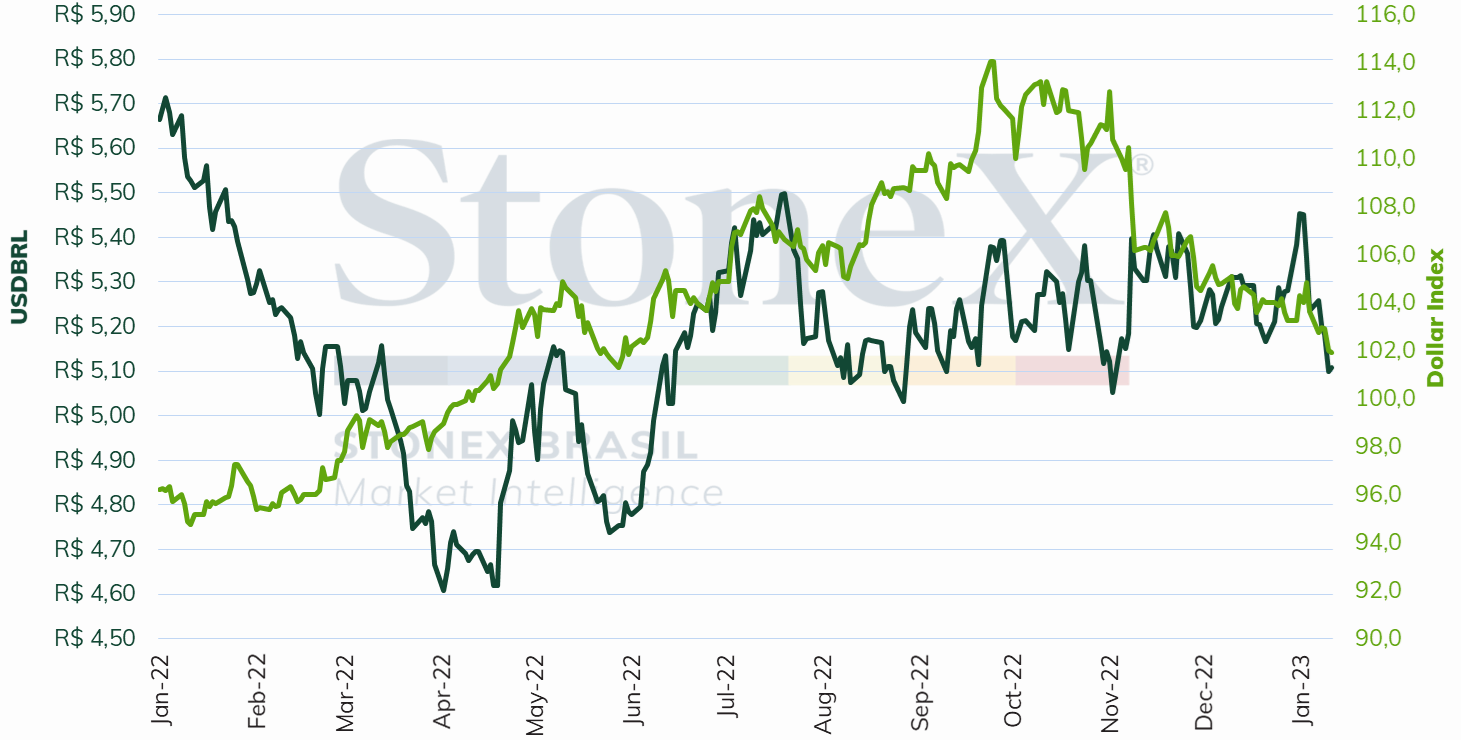
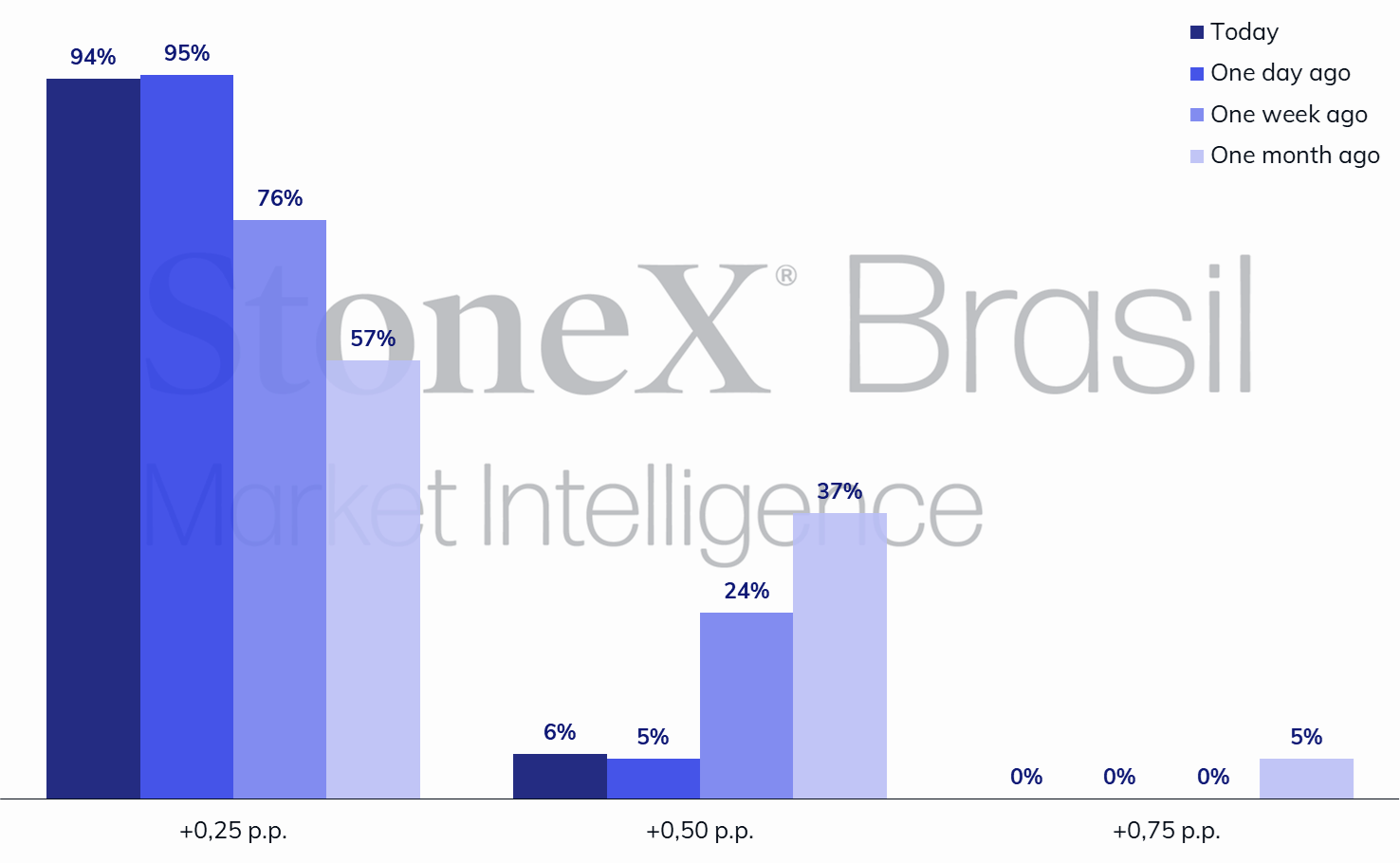
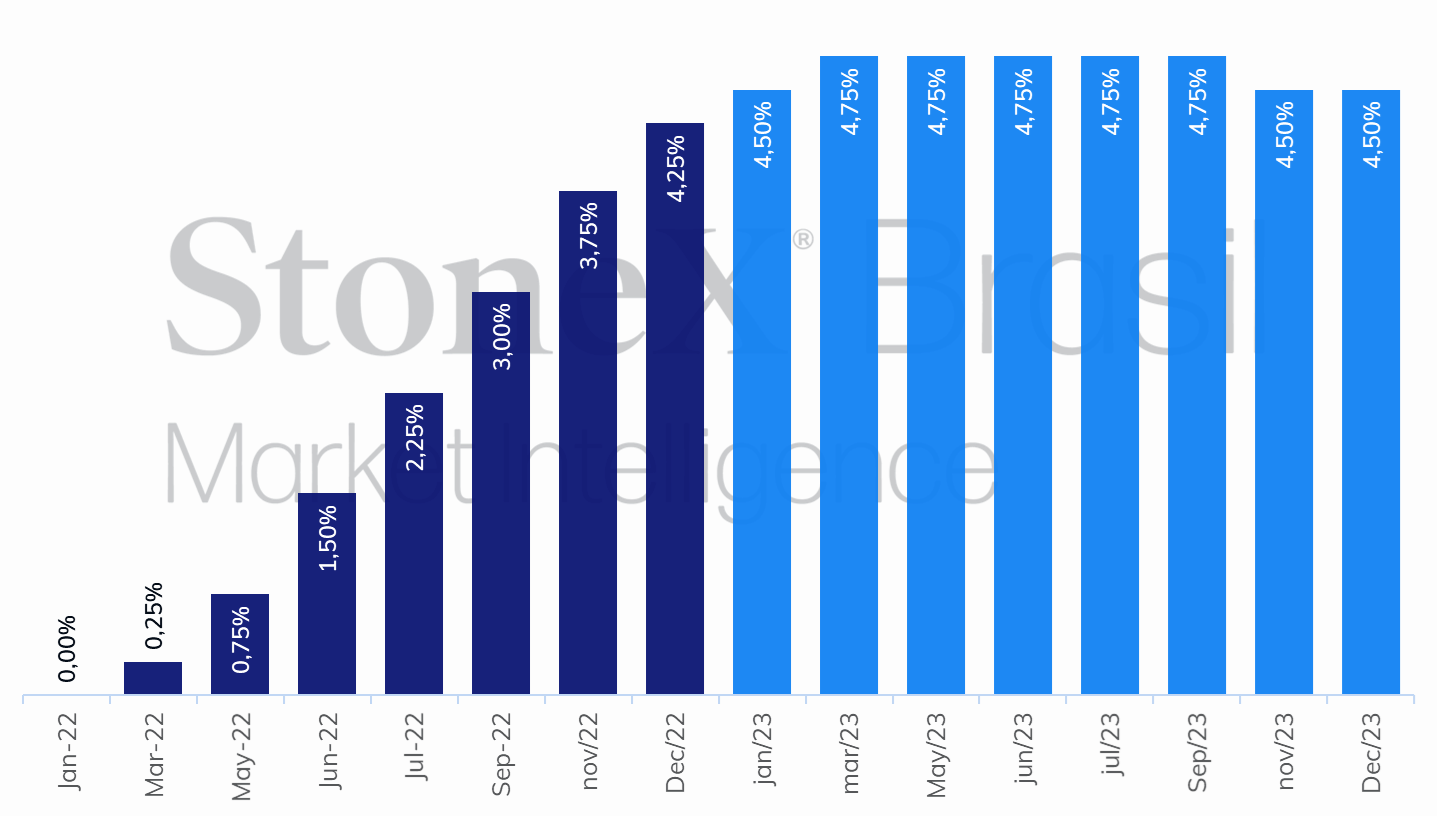
This week's focus will be on expectations for US monetary policy after another below-expectations inflation reading in December. Investors will follow the speeches of officials of the Federal Reserve (Fed) in the last week before the start of the mandatory period of silence on account of the decision of February 01. Before the Consumer Price Index (CPI) release, Fed members stressed that, although the pace of interest rate hikes may be moderate with each decision, it is important to maintain a firm monetary tightening for a significant time to restore price stability in the country. Although the authorities always caution that it is still too early to know what the final level for the interest rate in the US will be, in general, there is agreement that it will be above 5.0% YoY. The New York Fed President John Williams, Atlanta Fed President Raphael Bostic, St. Louis Fed President James Bullard, Philadelphia Fed President Patrick Harker, Dallas Fed President Lorie Logan, Boston Fed President Susan Collins, Fed Vice President Lael Brainard, and Fed Board of Governors member Christopher Waller are scheduled to speak this week.
Bets on the Federal Reserve's February 1 interest rate decision
American interest rate history and most likely bet on the future interest market
Source: CME FedWatch Tool. Design: StoneX. Probabilities in the future interest market as of January 13, 2023
The week will also bring some regional indicators of industrial production, the December producer price index (PPI) and, most importantly, December retail sales, which will provide a snapshot of consumer demand and, by extension, the vitality of the American economy. Average expectations point to a 0.4 percent contraction in the month, consistent with a reading that the United States is entering an economic recession.
On the political front, Treasury Secretary Janet Yellen has confirmed she will remain in office for the next two years, and Republican Congressman Kevin McCarthy succeeded in becoming leader of the House of Representatives after caving in on a series of house rules to enact a bloc of far-right resisters in his party. It took 15 rounds of voting, something that had not happened since 1859. With the changed rules, any member of the House can ask for a new vote for House leadership, which weakens the leader's role and strengthens conservatives, who do not want to cooperate with the White House. Against this backdrop of a House of fragile agreement and high hostility towards the Democratic President, Joe Biden, Yellen has already warned that the government risks running out of resources to finance itself on January 19. At that time, an emergency measure could extend the public financing capacity until mid-June, approximately. However, if the US Congress – both the Senate and the House – does not pass a law allowing an increase in the public debt limit by then, the United States will default for the first time in its history, defaulting on its debt obligations and surely causing a major global economic crisis.
Finally, it is noteworthy that the Japanese yen has strengthened significantly in recent weeks, driven by investor expectations that the Central Bank of Japan (BoJ) will abandon its ultra-loose monetary policy and resume raising interest rates in the country. The current rate of -0.10% YoY was set in 2016, and the last increase was in February 2007. Although there is no concrete information on when this could occur, the stakes were raised due to the change of President of the Monetary Authority in March, the rise in consumer inflation in the country (currently at 3.8% YoY) and a recent change in the country's long interest rate policy (10 years), which maintained the target of 0.0% YoY, but began to accept a tolerance range of 0.50 p.p. for more or less. On Friday (13), a substantial volume of bond buyers led the interest on 10-year bonds to exceed this limit and reach 0,54% YoY.
Domestic scenario
In Brazil, the domestic agenda will be emptied. Instead, investors' attention should turn to finance minister Fernando Haddad, who is attending the World Economic Forum in Davos, Switzerland, together with Environment Minister Marina Silva. Speeches and comments at the event may reverberate in the foreign exchange market. Last week, the ministries that make up the Economic Area of the federal government announced a package of measures focused on reducing the primary deficit. Most of the actions are focused on increasing revenue, with an estimated impact of R$ 193 billion. According to the Minister of Finance, Fernando Haddad, the set of measures could have an impact of up to BRL 242 billion, enough to transform the forecast of a primary deficit of BRL 231.5 billion in 2023 into a surplus of BRL 11.13 billion. However, the minister pointed out that, due to the time gap required until the measures take effect, reducing the deficit this year to a value between 0,5% and 1% of GDP is a more realistic goal, reaching a surplus only in 2024. Most analysts believe that measures aimed at reducing expenditures by the public administration are still lacking, especially after the expansion of the 2023 Budget caused by the Constitutional Amendment of the transition. Therefore, the effects on macroeconomic estimates should be reduced.
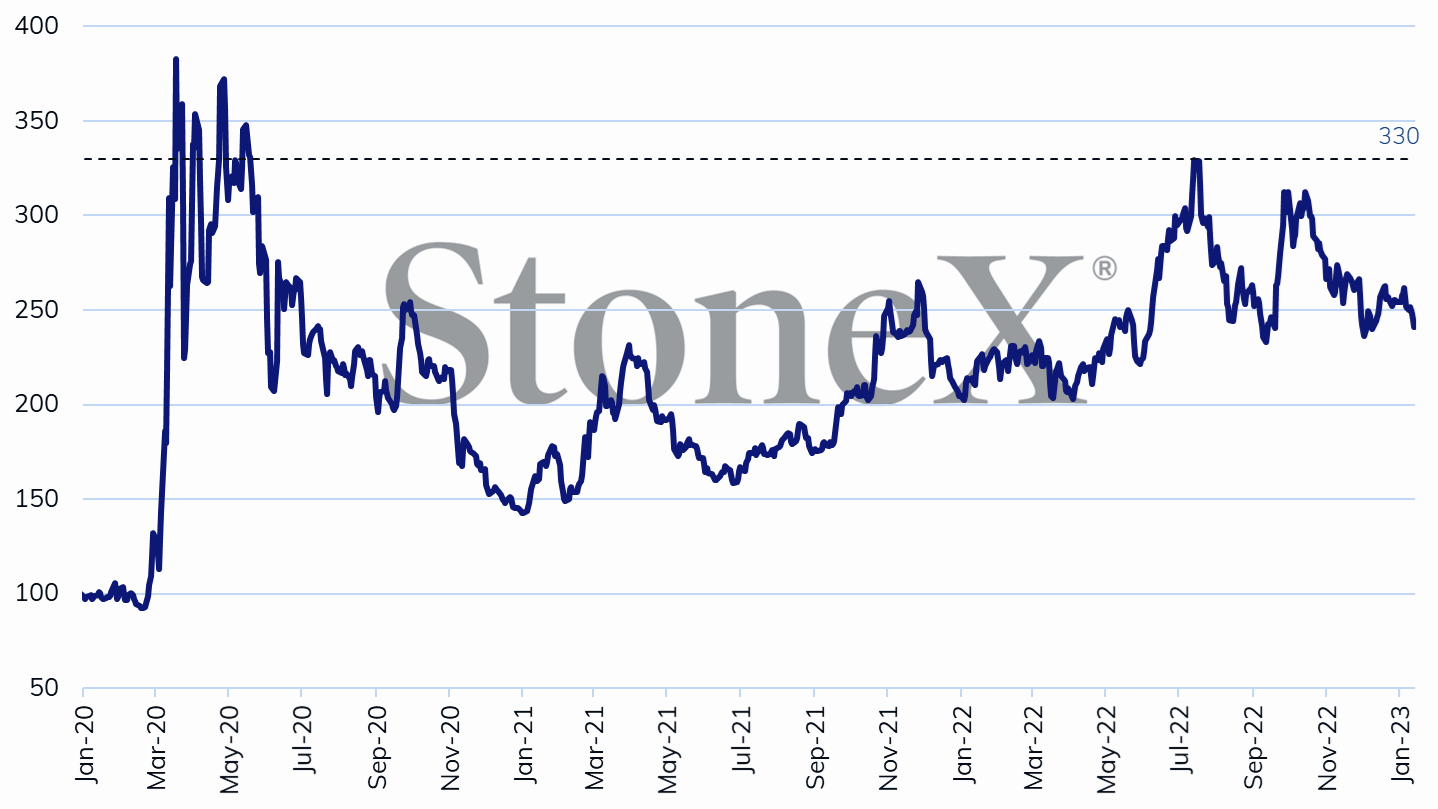
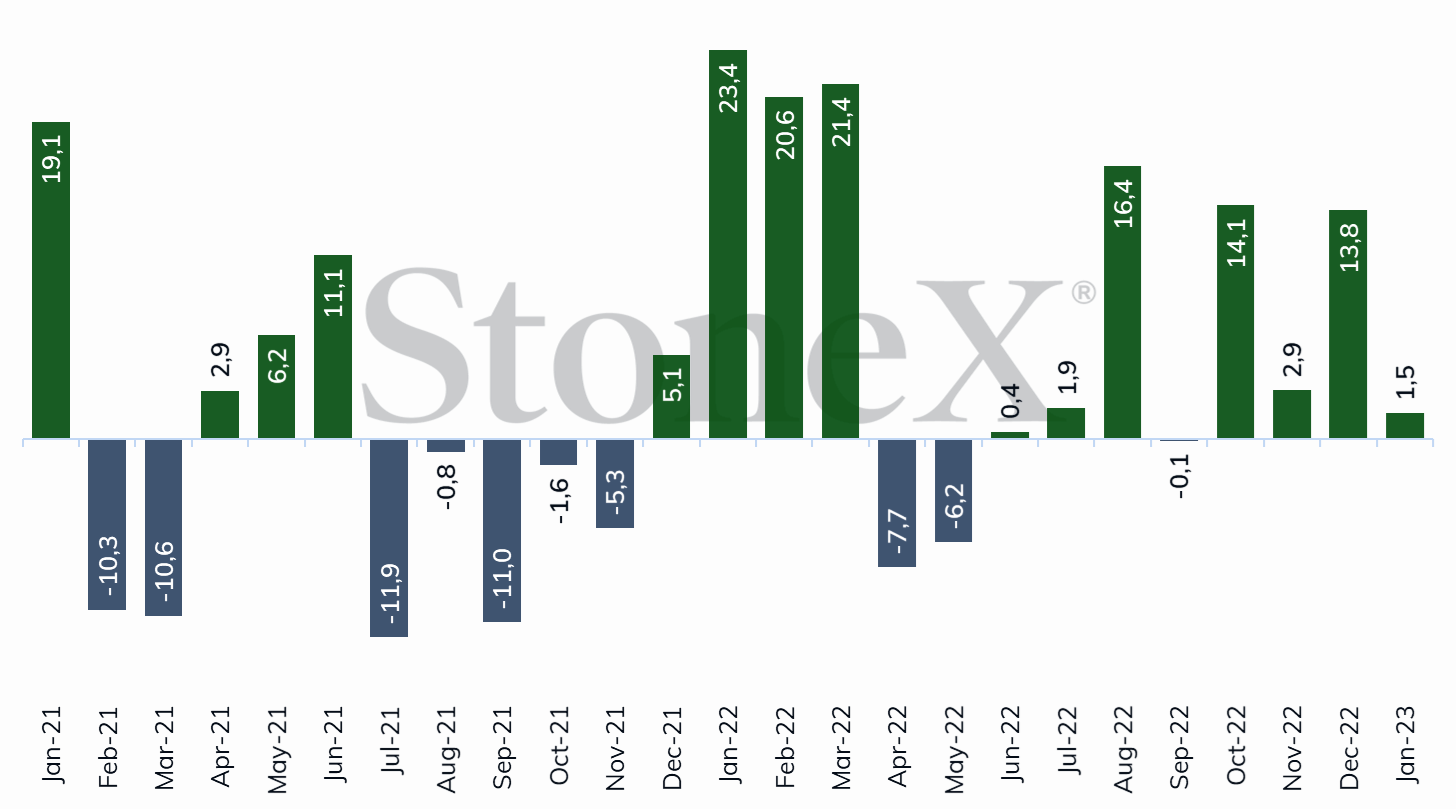
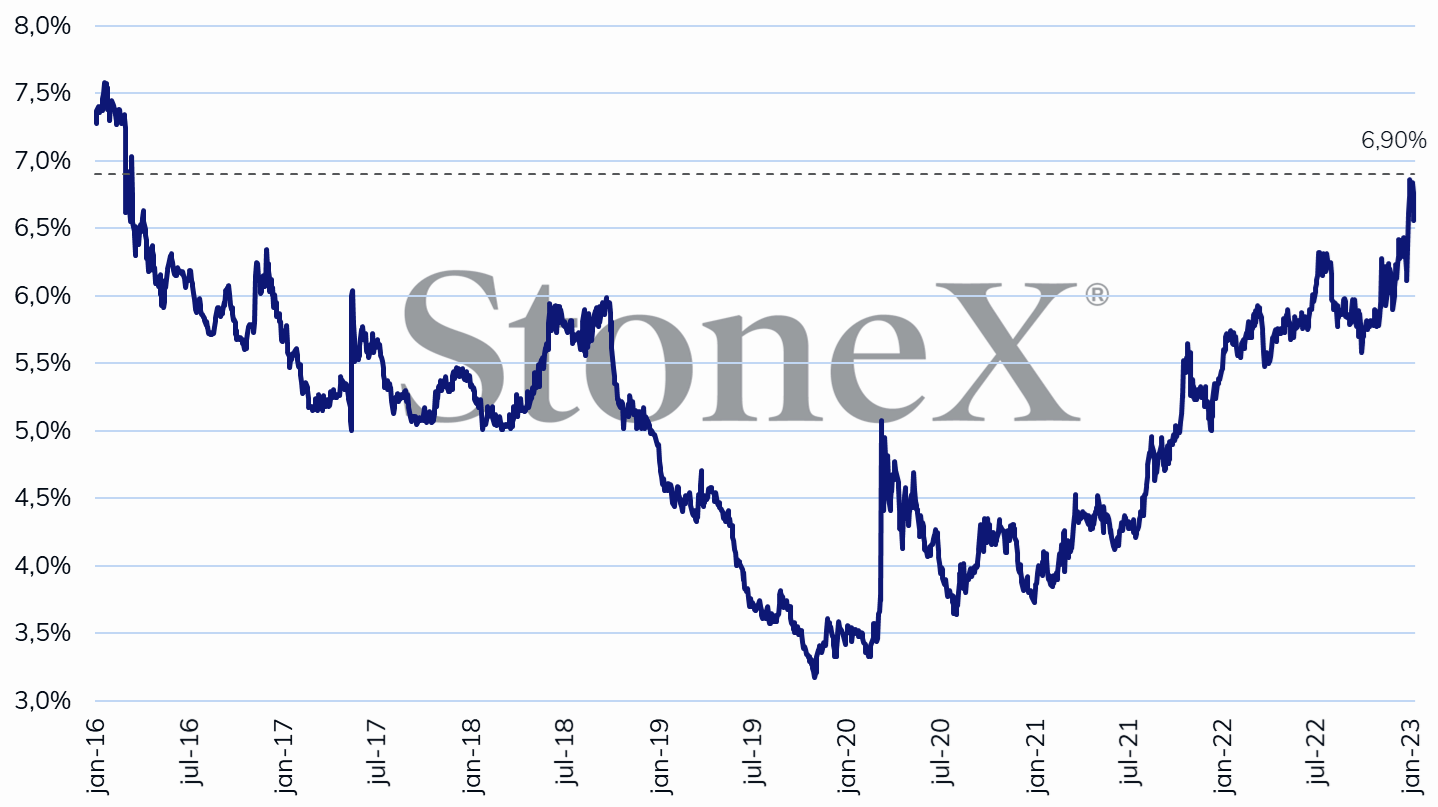
Finally, it is important to highlight the diminutive effects of extremist protesters' invasion of the headquarters of the three powers last weekend on Brazilian assets. Despite the severity of the episode, which caused chaos and violence in the federal capital, and the consequences for national politics – including the discovery of a document, in the draft phase, in the House of the former Minister of Justice that sought to change the result of the elections after the diplomacy of Luis Inácio Lula da Silva -, Brazilian assets appreciated during the week and the spread of Brazil's 5-year Credit Default Swap contracts, a measure of country risk, remained unchanged. In addition, until Wednesday, the net flow of foreign investments on the São Paulo Stock Exchange was positive. Interest rates for financing long-term public debt securities remained quite high, but their increase occurred at the end of 2022, when the expanded budget was approved for this year.
Spread of Brazil's 5-year Credit Default Swap (CDS) contracts (basis points)
Source: Bloomberg. Design: StoneX.
Balance of foreign capital flow on B3 as of June 29, 2022 (BRL billion):
Source: B3. Design: StoneX.
NTN-B purchase rate with maturity on 05/15/2045 (%YoY)
Source: Treasury Direct. Design: StoneX.