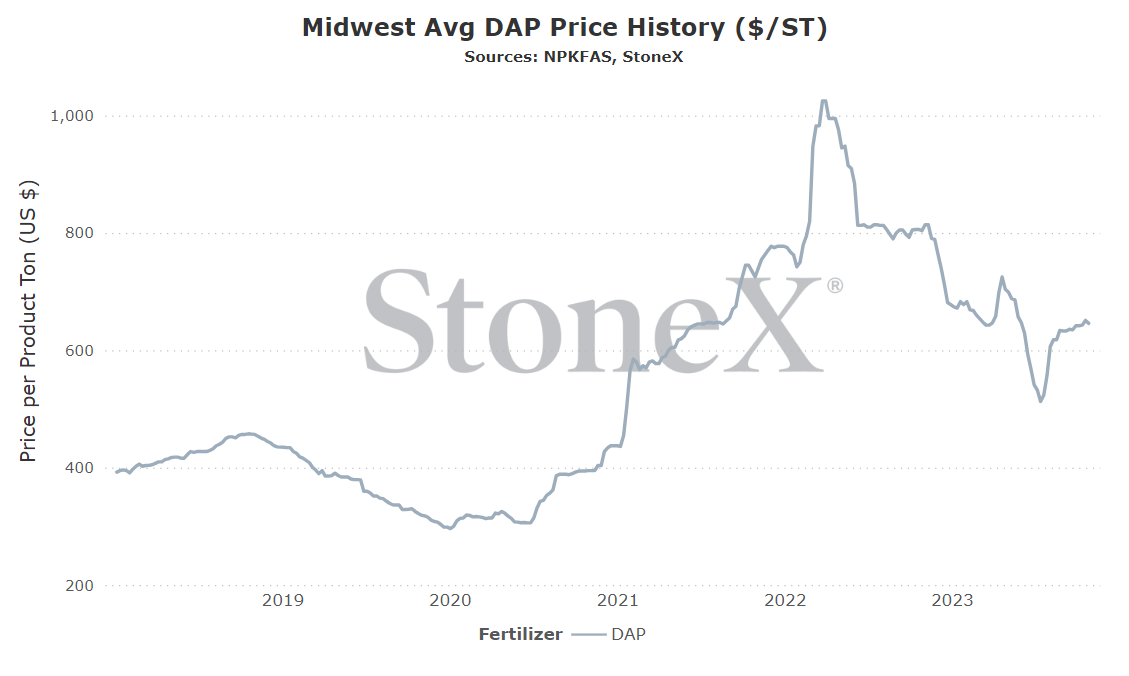
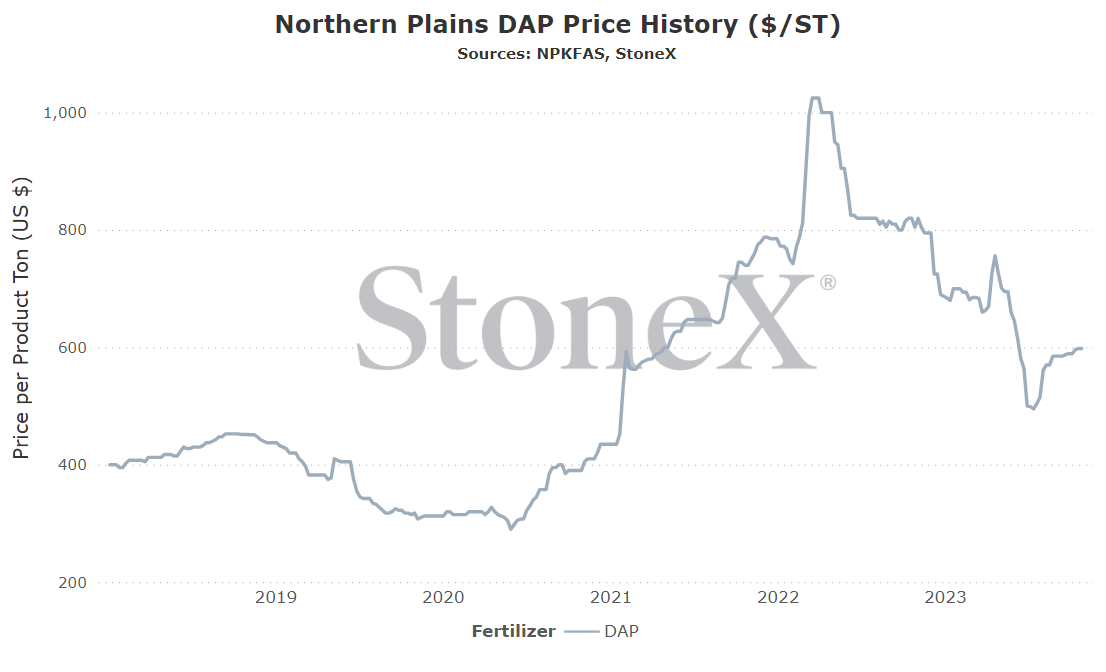
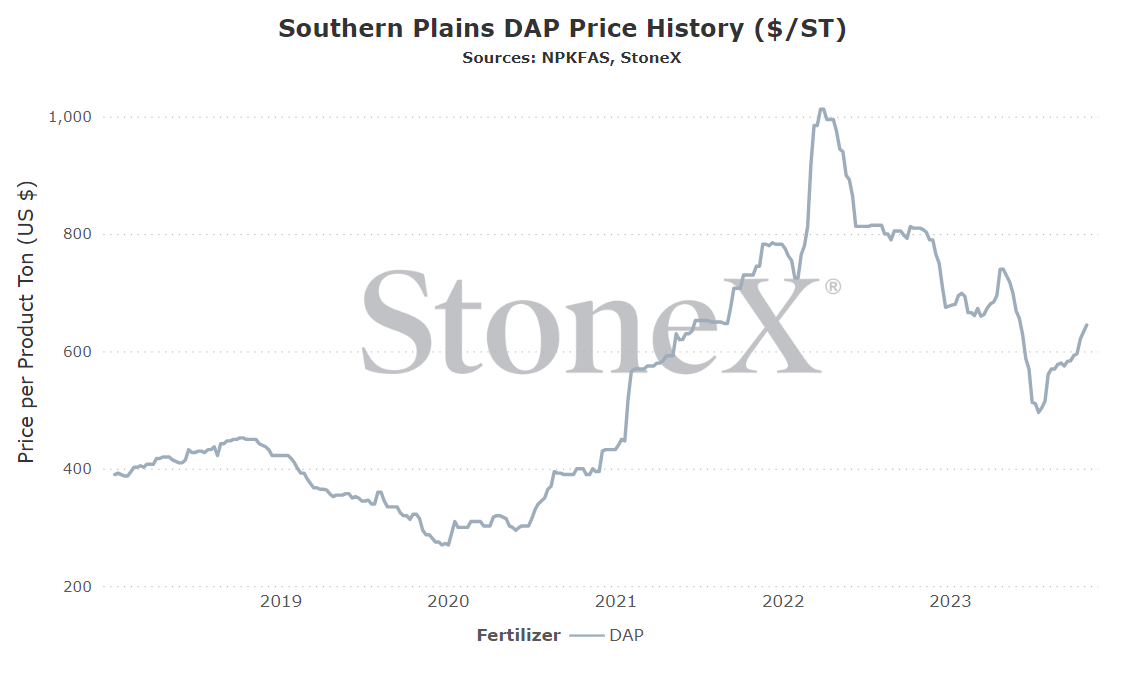
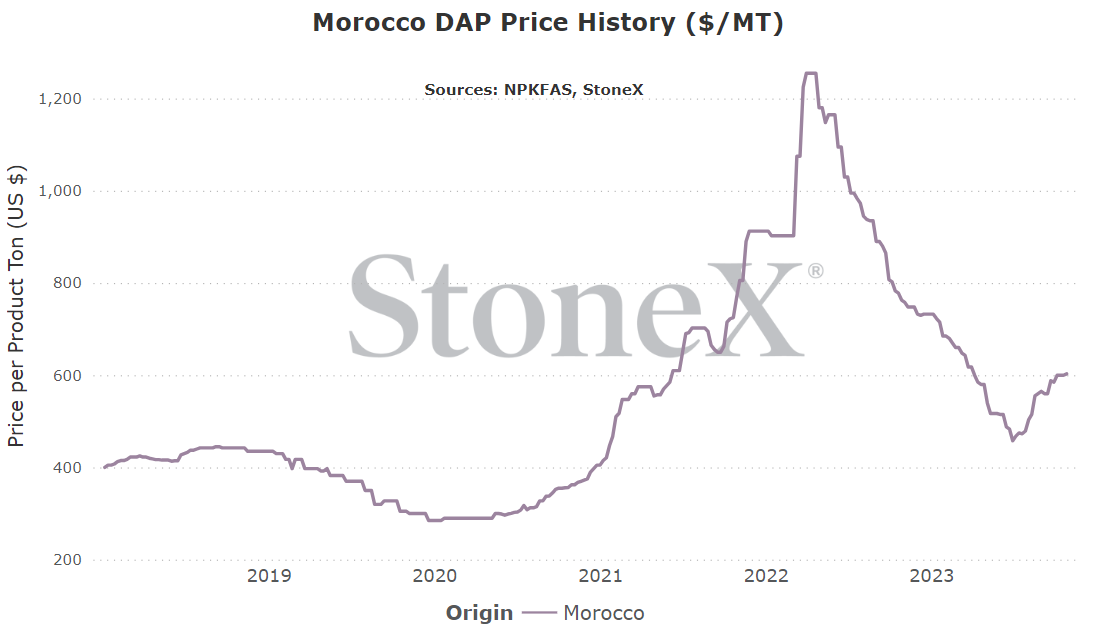
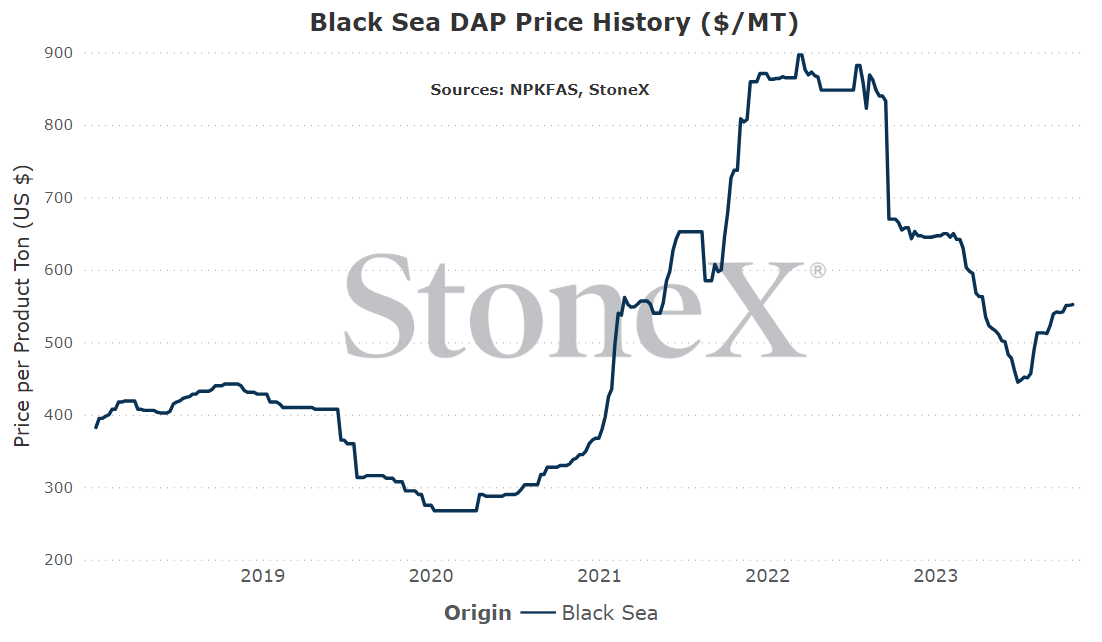
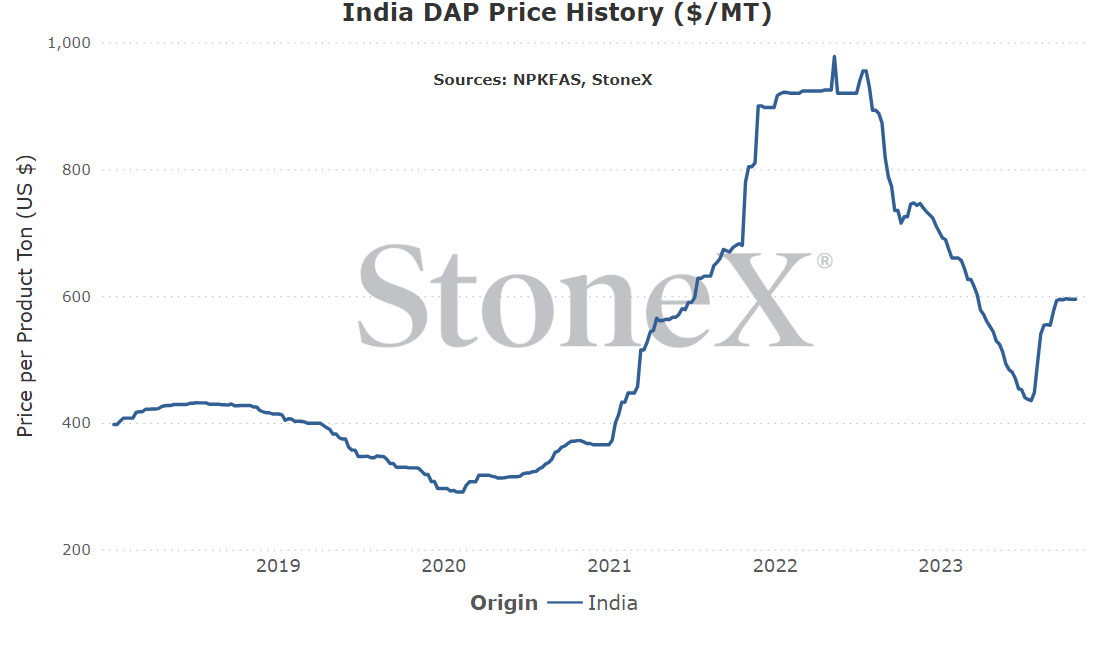
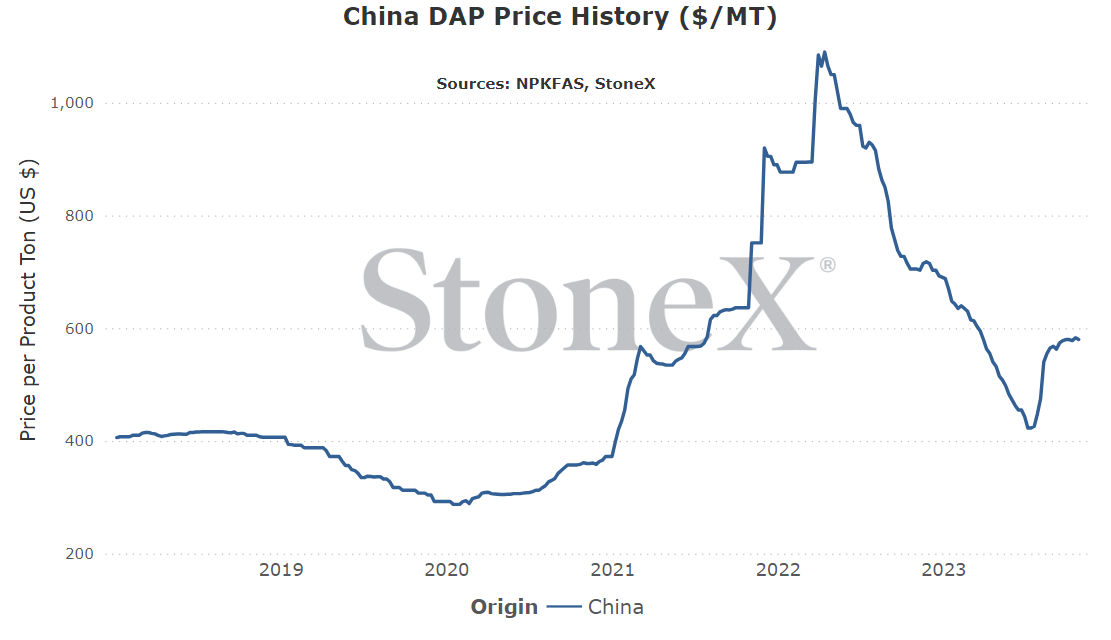
I will say this now and will say it going forward to eternity: these are the flat price graphs for each individual location. Your price where you are is going to be different. There are logistics. There is the cost of storage/interest/insurance/etc. These graphs should not be taken as "it shows the price at $700, why isn't my price $700". These graphs should be used to give an appreciation for price movements.
All values are in metric tons and USD currency.
Global
The world's largest buyer is ahead of average on imports. The world's largest exporter is doing much better than last year and appears to be taking steps to resume normal practices. Current values appear high vs not only historical values but also against many grain values.
Barring some new unseen event, it is hard to be anything but flat to bearish going forward.
North America
North America is tricky. On the one hand, I think the world looks bearish going forward. That should mean that NOLA does the same once we move past fall season. However, logistics and import duties against China/Russia/Morocco are impeding free flows of supplies. Even if NOLA drops, logistical struggles may mean inland buyers never see it.
I am still flat to bearish moving forward for phosphates but remember you need to buy for where you are. NOLA may be flush with product and prices dropping but if your area has no supplies, prices can move higher.
While the fertilizer futures market is far from as liquid as its grain counterparts, it is still active and gives us an insight into what the market is thinking.
Please note that the values below can and will change daily. This is merely a look at where they are as of writing:
| NOLA DAP | |
| November | - |
| December | - |
| January | $515 |
| February | $515 |
| March | $510 |
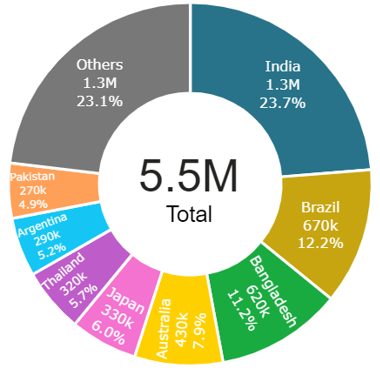
World's largest buyer (India) remains ahead of schedule...but slowed down
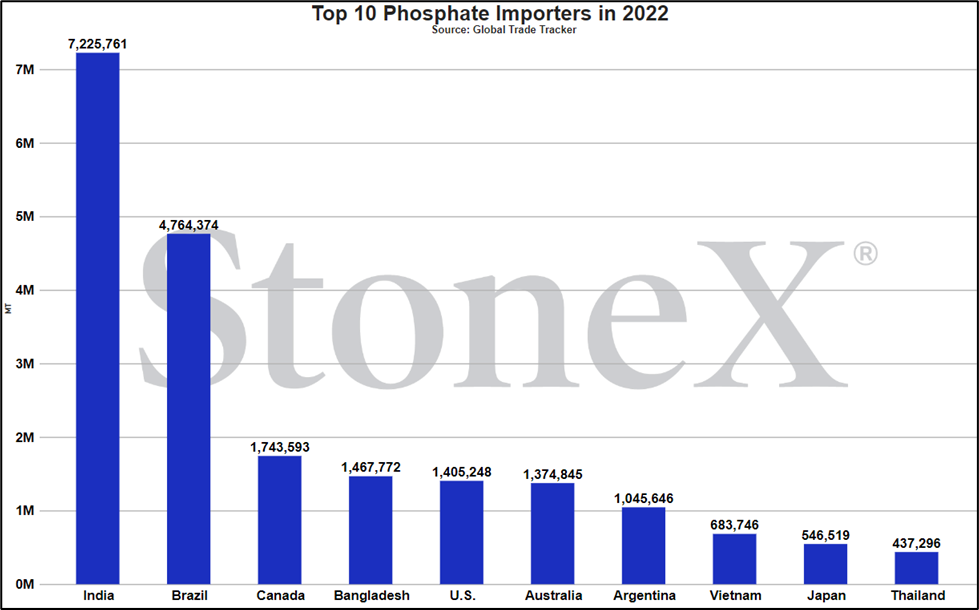
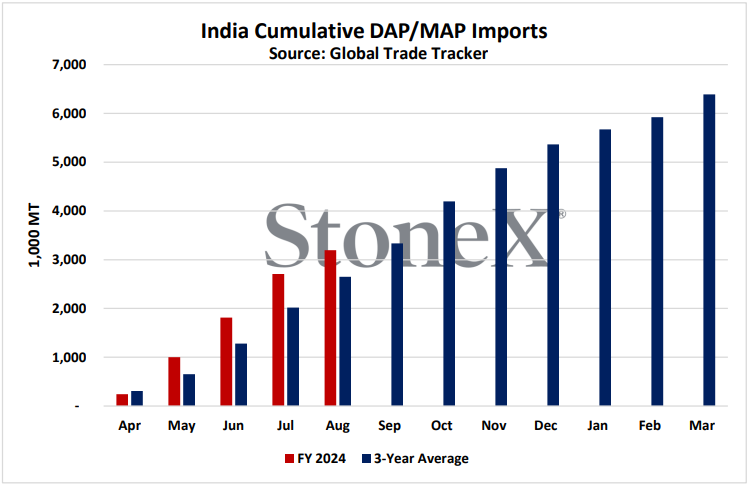
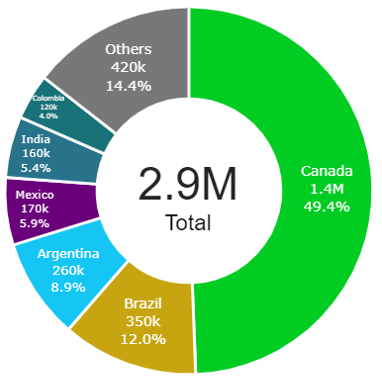
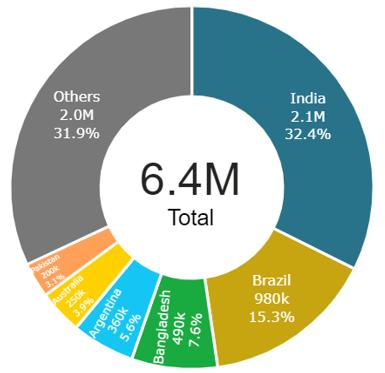
If you look up on this newsletter, we have the top 10 importing countries in the world listed. India is number one and it isn't a close 2nd. Given that, how they are purchasing (or not purchasing) can go a long way in determining global price directions.
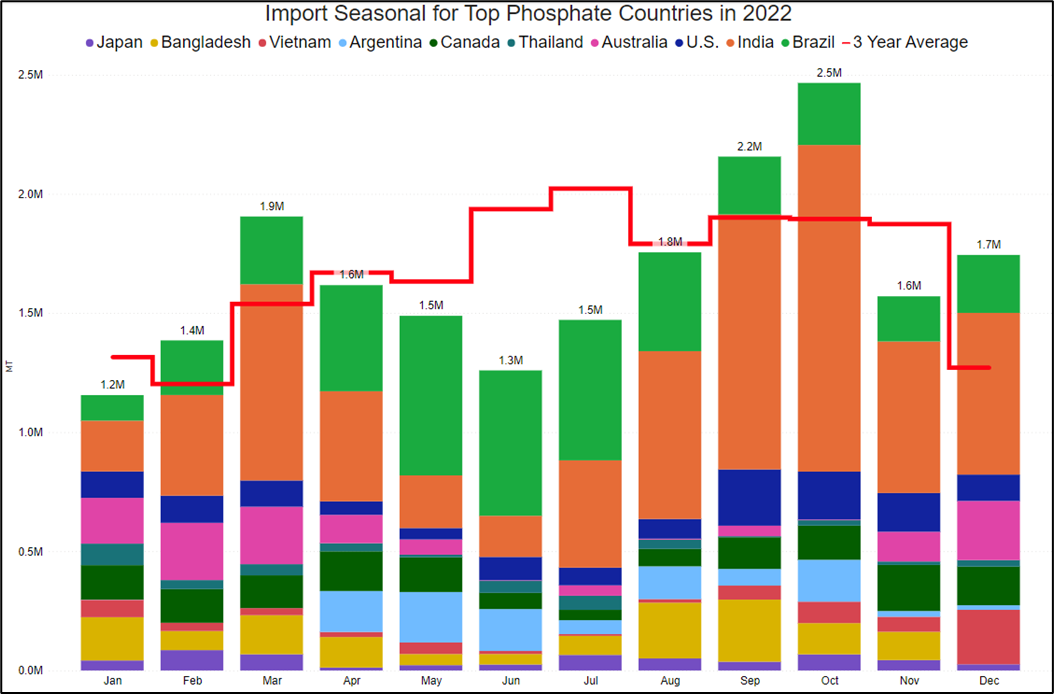
For a few months now, we have been discussing and pointing out just how far ahead India was on their import pace. On its own, it is impressive. When considering they did the same thing last year, I started to wonder how long they could keep this pace without becoming overfilled. The idea was that after hitting a certain threshold, they would have to slow down because there is just no other place to go with it.
They may still have room to fill more product, but we did see them slow their pace in the month of August (most updated "official" information available).
The slow down in August by itself was not enough to turn the phosphate market on its head. But what will happen if September and October show the same? If this continues for a bit, manufacturers may start getting a little more aggressive on their price idea...and it only takes one to start the fall.
It would be irresponsible and far too early to say this is the beginning of the end of high global phosphate values...but it is a step in the right direction.
World's largest exporter (China) continues to improve on last year
If we are going to focus on the world's largest buyer for price direction, it makes sense that we do the same for the largest exporter.
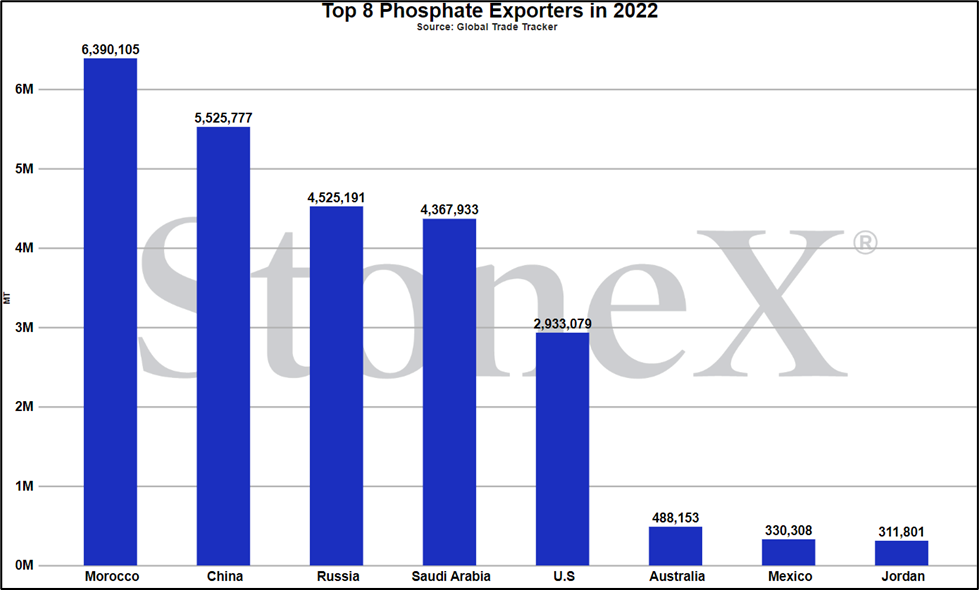
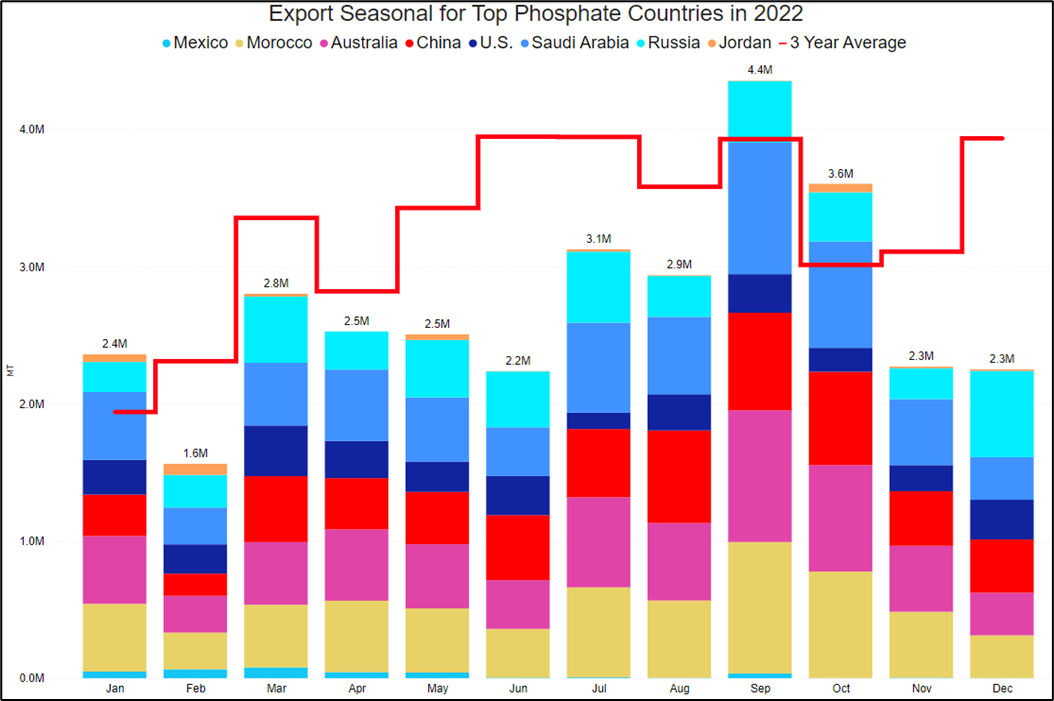
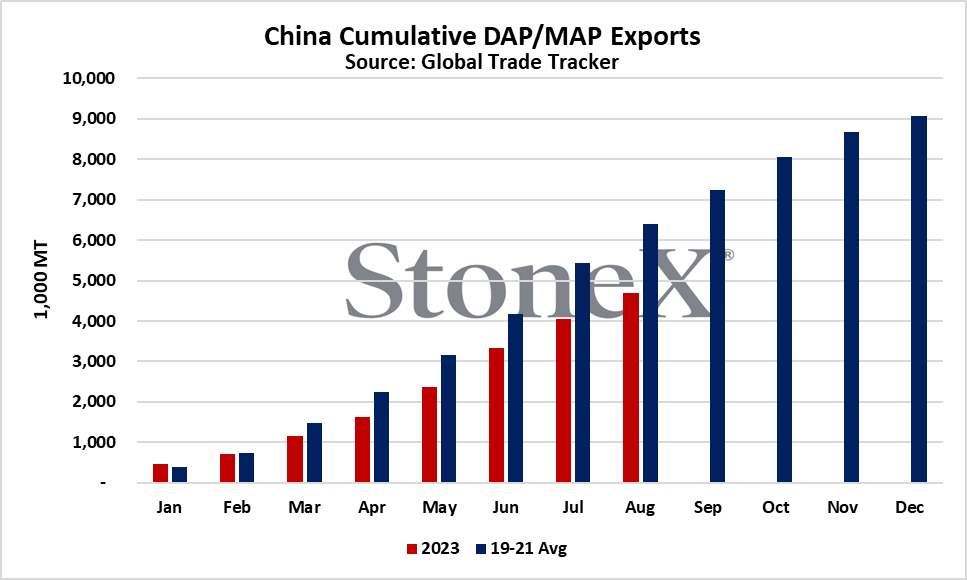
"But Josh, the largest exporter is not China. It is Morocco." If that went thru your head, you deserve a gold star for paying attention!!! Morocco was the world's largest exporter in 2022. That was largely because the Chinese government restricted exports in 2022 due to high global values and tight inventories. Rather than supply the world, they restricted exports to lower domestic prices and ensure domestic stockpiles.
Say what you want about them, they got that one right.
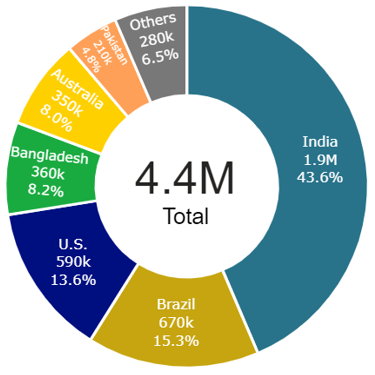
Still, we have seen a bit of resurgence in exports from China. The graph below shows that they are still behind their typical pace but vs last year, they are doing much better. It builds hopes that they are continuing to take steps back to normal export flows which would allow global values to fall further and get more in line with historical and grain values.
As with everything China, it is very difficult to forecast what they will do next. I would not be surprised if the government locked down exports once again. I would not be surprised if the government encourage more exports to help cash flows for a struggling economy. If you can tell me what they are going to do most of the time, let's chat. I have a job waiting for you!!!!
Challenges to U.S. duties against Morocco/Russia/China grows
Back in the summer of 2020, a U.S. phosphate manufacturer kicked off a tumultuous period of time in the fertilizer market unlike any seen before. It did not cause any of the following situations...it merely stands as bullet point 1 on the list of Black Swan events.
Since that time, the decision to implement duties on Moroccan and Russian produced phosphate (Chinese duties were put into place during the Trump administration) has been under attack with little luck. Multiple poor fall/spring application seasons meant plenty of supplies were available and North American manufacturers could say that N.A. production was enough to keep up with N.A. demand.
After last spring, that argument struggles to hold water.
Last spring, we saw a huge demand run that concluded with VERY low ending inventory levels. That meant that this fertilizer year (starting July 1) had very low levels to start with. Import/export flows for July/August helped a bit with cumulative imports at 433KMT and exports at 267KMT for a net gain of 166KMT, but it was far from making up the difference. The addition of some production hiccups only made it worse.
Today, phosphate values remain elevated compared to current grain values and against historical values. The further away from production sites demand gets, the more difficult to get replacement product. The ability to get physical product has been a very real question for large swaths of area across N.A.
Due to this, a growing chorus of the ag industry wanting the rates to be greatly reduced or eliminated has come together. Retailers and associations appear to be hard at work contacting their elected officials and anyone else that will take the call.
All of this said, there are two MAJOR things I would like to point out.
- This more than likely doesn't help fall values, and likely doesn't help spring values - that isn't what you wanted to hear, but it is the truth. According to some folks whose POV/opinion I trust, they believe the EARLIEST a substantial change could be made is February. Even if Morocco had vessels loaded at its ports ready to sail on the day a deletion decision was met, it is still nearly a month before it hits U.S. shores. Then, it is another few weeks to a month before it reaches most territories. Maybe it helps lower later spring values. Maybe. Still, this is a story we need to be thinking about in terms of summer 2024.
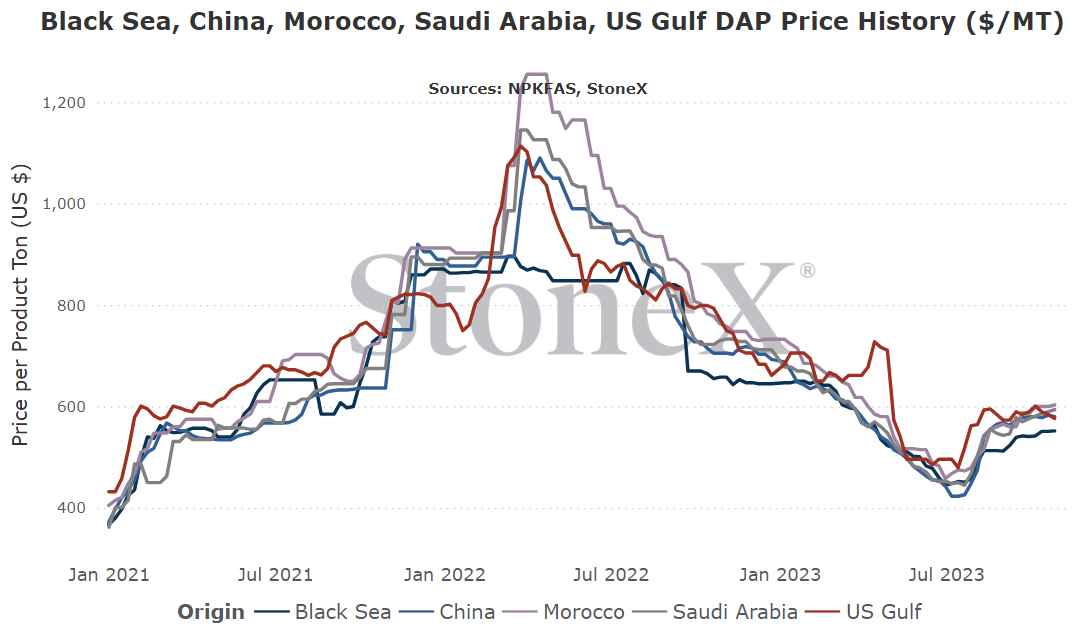
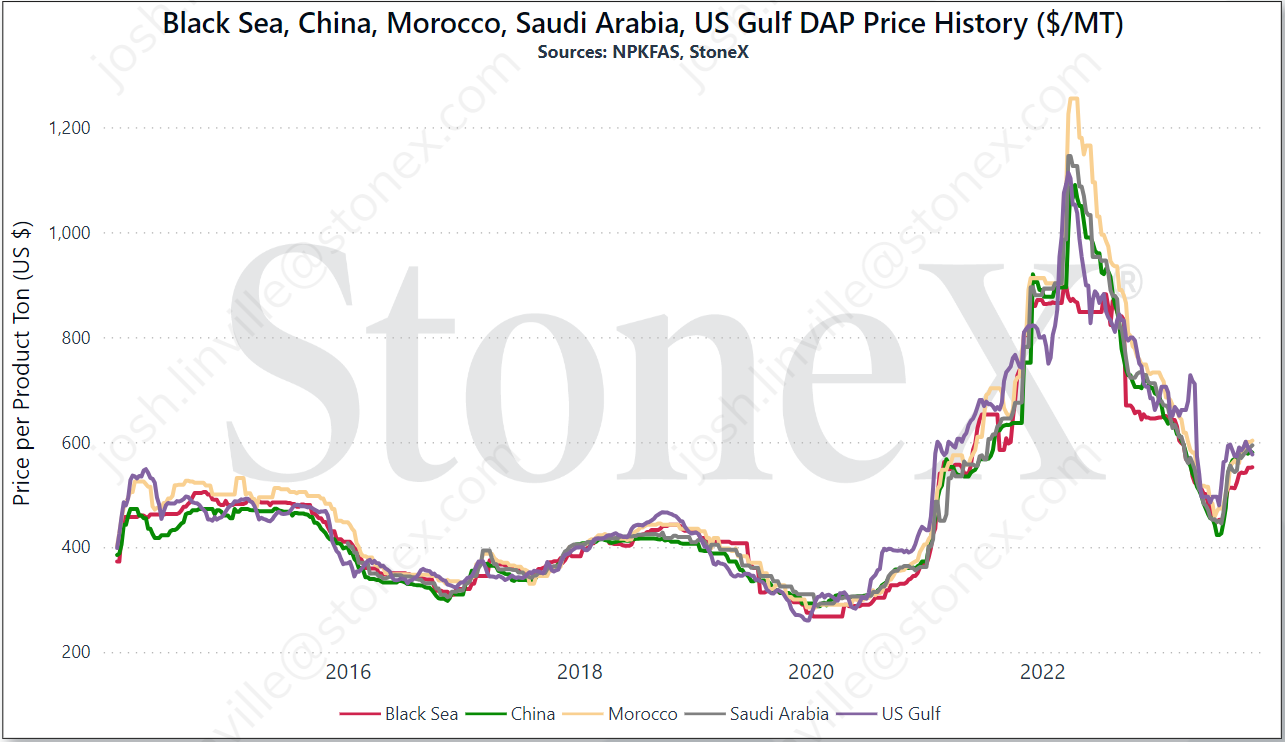
- This is not the silver bullet that causes prices to plummet hundreds of dollars - many are hoping that will happen. I'm here to talk realities. That will not happen. The graph below shows the price of all major phosphate origin points. Take a look at the U.S. gulf price vs the others. Notice that it remains "connected" to the rest of the world points? Sure, it spends more time in line/lower than the world than in recent years where NOLA has been the premium. If that duty was dropped today, we would STILL be connected to world values. For the price to fall substantially, the world must fall substantially.
These scenarios take the approach that the challenges will be successful. These types of cases typically have a lot of challenges and the success rate isn't that great. Not trying to be a downer here. Just trying to be realistic.
North American logistics can hurt phosphate the worst
A major story once again this fall has been low water levels on U.S. river systems. Unfortunately, it appears this year is even worse than last year...
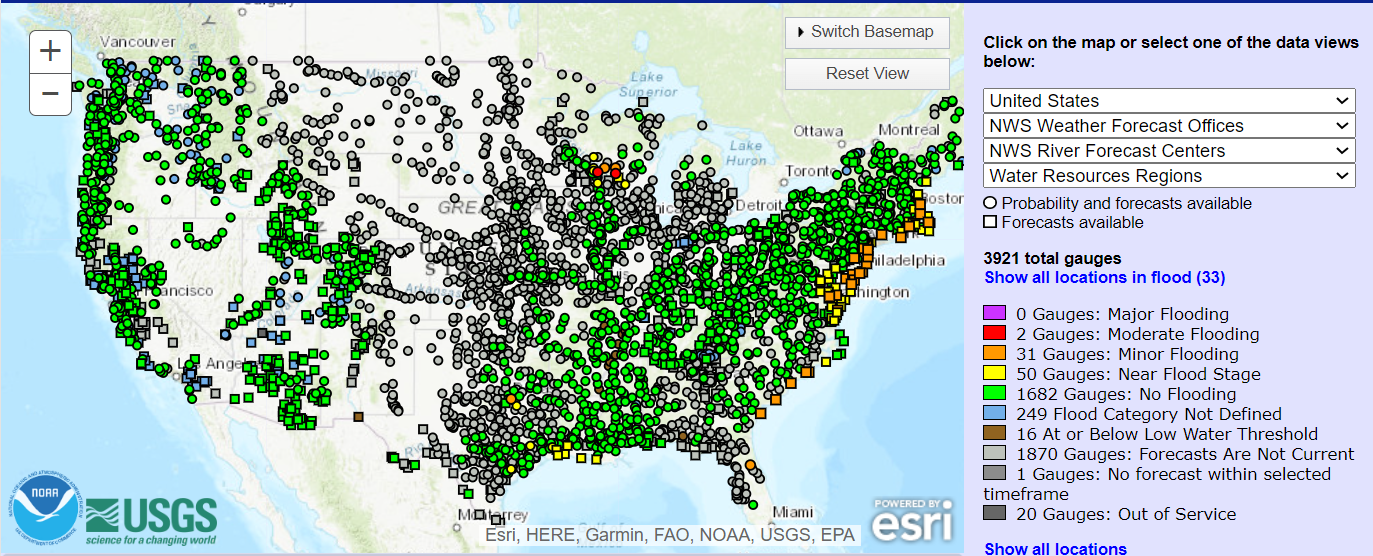
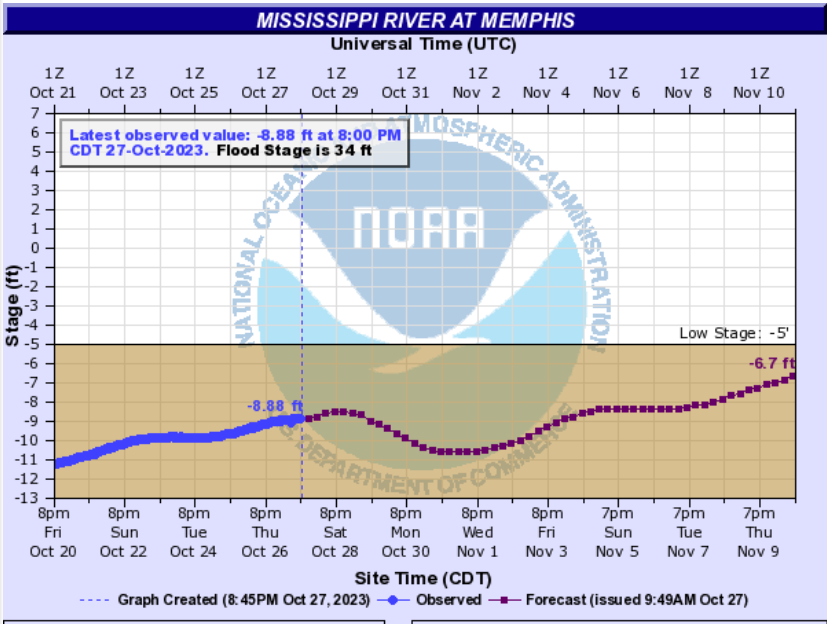
When looking at the map below, you will notice several brown circles in a line. That is the lower Mississippi River...where almost every fertilizer barge must sail to get north/east/west. Memphis has been an especially popular discussion point when it comes to flows. Last year, it set a record low level at -10.81'. Yes, they can measure as negative feet. If you are wondering how that works, I don't know!!
Less than a month ago, it set a new record of -12.04'.
Fortunately, rains have finally started to move across the Midwest which is helping to increase flows. Unfortunately, that is a stop gap. We need heavy moisture in the north to help fill the basins and keep constant flows thru the waterways. From this point forward, a lot of the moisture that the north gets comes in the form of ice and snow...moisture the rivers will not likely see until next spring. That means even more reliance on timely and adequate rains until then.
Even the Arkansas River has been affected. Dredging operations have been happening at the split from the Mississippi River to keep transit open. The first pass of dredging was heard to be successful and some barge traffic allowed to pass. A second dredging pass is still needed for a more permanent/effective waterway.
So why have I singled out phosphate and not all other fertilizers?
- Urea - very reliant on river passage but a spring product. There is time.
- UAN - very reliant on river passage but again, a spring product. There is time.
- NH3 - much more of a truck/pipeline transported product. Some rail. Some barge.
- Potash - much more reliant on rail shipments from Canada
Phosphate is the only fertilizer that is reliant on river transport AND gets applied heavily in the fall.
What is the takeaway here? TALK TO YOUR RETAILER SOONER THAN LATER. I'm not going to cry wolf and say that inventories will not be available. The industry has talked that story too many times. However, to get the product, you might now like the price and you might not like the timeframe. Much better to talk today and plan than to risk a later conversation.
NOLA/New Orleans, Louisiana DAP price comparison
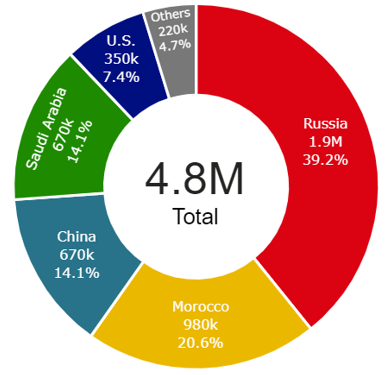
Number 5 global exporter in 2022
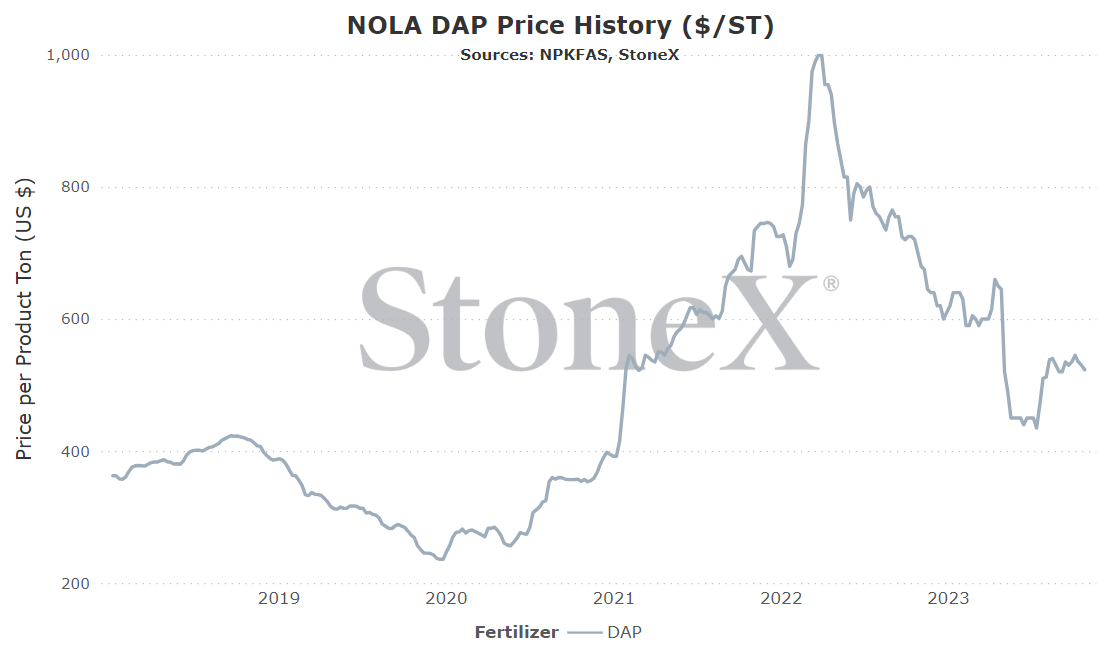
Price comparisons
Vs 30 days ago - -2% or approximately $12 lower
Vs 90 days ago - +3% or approximately $13 higher
Vs 6 months ago - -19% or approximately $122 lower
Vs 1 year ago - -25% or approximately $177 lower
U.S. Midwest Average (using multiple points across Midwest) price comparison
Vs 30 days ago - +1% or approximately $4 higher
Vs 90 days ago - +16% or approximately $89 higher
Vs 6 months ago - -8% or approximately $58 lower
Vs 1 year ago - -20% or approximately $158 lower
U.S. Northern Plains Average price comparison
Vs 30 days ago - +1% or approximately $9 higher
Vs 90 days ago - +16% or approximately $83 higher
Vs 6 months ago - -18% or approximately $129 lower
Vs 1 year ago - -26% or approximately $208 lower
U.S. Southern Plains Average price comparison
Vs 30 days ago - +9% or approximately $53 higher
Vs 90 days ago - +25% or approximately $130 higher
Vs 6 months ago - -13% or approximately $95 lower
Vs 1 year ago - -20% or approximately $165 lower
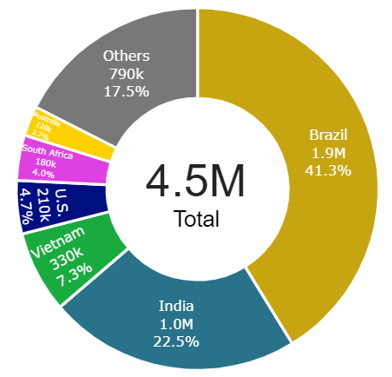
Morocco DAP price comparison
Number 1 global exporter in 2022
Price comparisons:
Vs 30 days ago - +3% or approximately $18 higher
Vs 90 days ago - +26% or approximately $124 higher
Vs 6 months ago - +4% or approximately $23 higher
Vs 1 year ago - -21% or approximately $160 lower
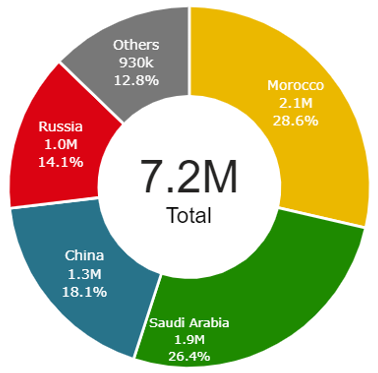
Black Sea DAP price comparison
Number 3 exporter of DAP/MAP in 2022
Price comparisons:
Vs 30 days ago - +2% or approximately $11 higher
Vs 90 days ago - +21% or approximately $95 higher
Vs 6 months ago - +6% or approximately $29 higher
Vs 1 year ago - -16% or approximately $106 lower
India DAP price comparison
Number 1 global importer in 2022
Price comparisons:
Vs 30 days ago - unchanged or approximately $1 higher
Vs 90 days ago - +33% or approximately $147 higher
Vs 6 months ago - +9% or approximately $51 higher
Vs 1 year ago - -20% or approximately $151 lower
China DAP price comparison
Number 2 global exporter in 2022
Price comparisons:
Vs 30 days ago - unchanged vs last month
Vs 90 days ago - +30% or approximately $133 higher
Vs 6 months ago - +9% or approximately $49 higher
Vs 1 year ago - -18% or approximately $125 lower
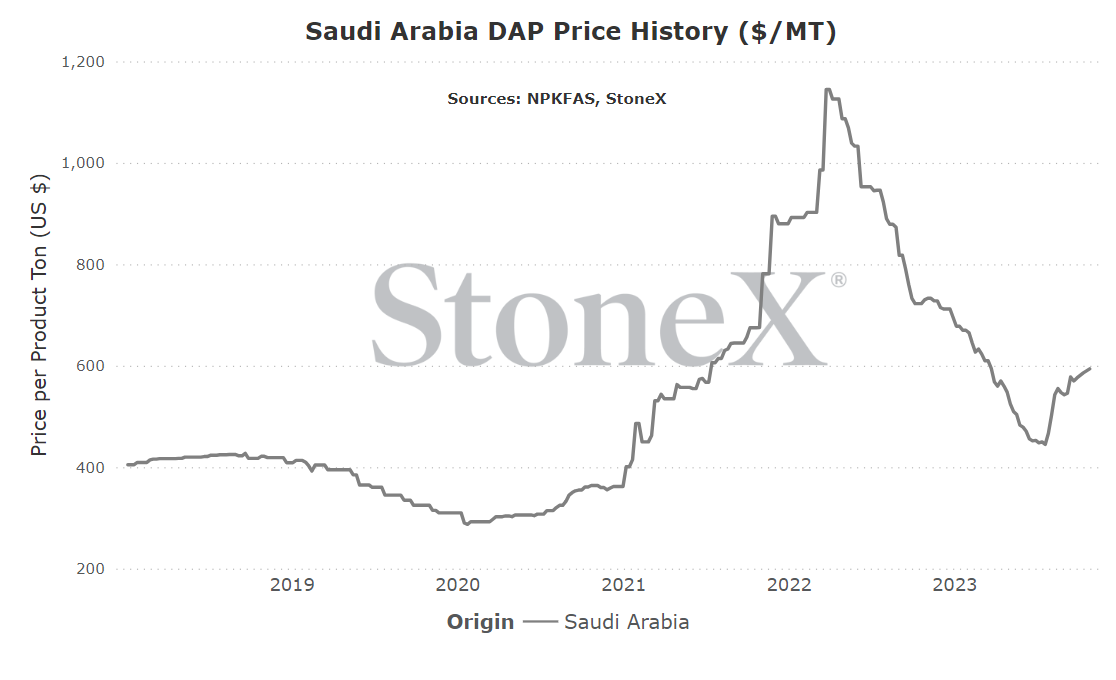
Saudi Arabia DAP price comparison
Number 4 global exporter in 2022
Price comparisons:
Vs 30 days ago - +3% or approximately $18 higher
Vs 90 days ago - +27% or approximately $127 higher
Vs 6 months ago - +8% or approximately $46 higher
Vs 1 year ago - -19% or approximately $136 lower
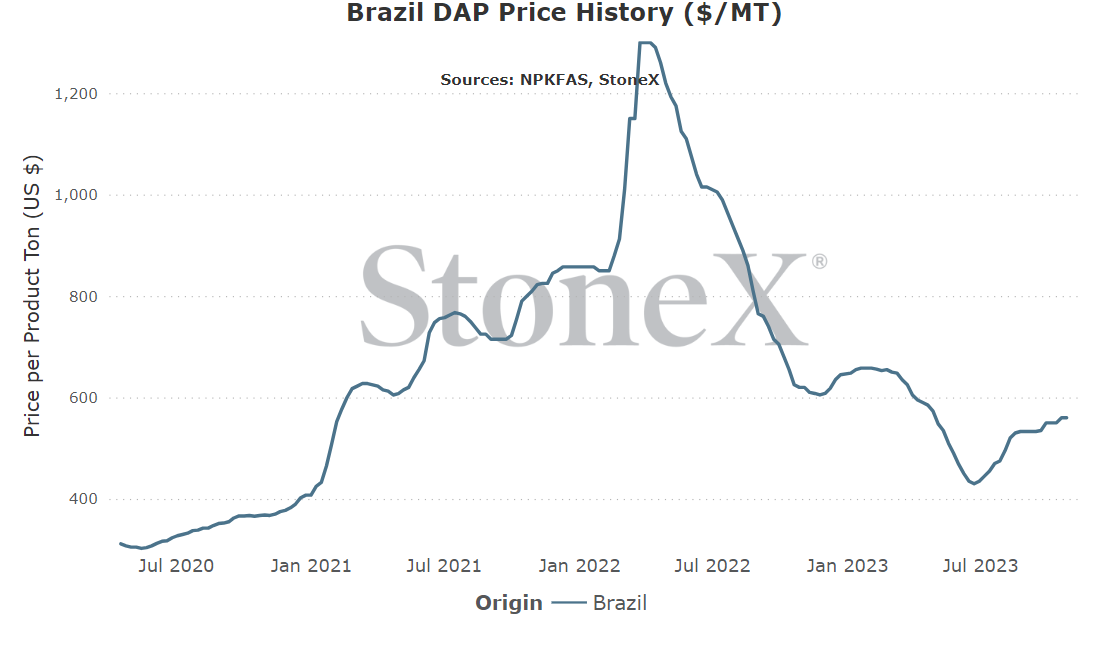
Brazil DAP price comparison
Number 2 global importer in 2022
Price comparisons
Vs 30 days ago - +2% or approximately $10 higher
Vs 90 days ago - +18% or approximately $85 higher
Vs 6 months ago - -2% or approximately $13 lower
Vs 1 year ago - -10% or approximately $60 lower
- Cost of production continues to rise – our focal point for "high cost producer" in the global phosphate market is the U.S....and costs continue to rise. Now, it is certainly well below the current phosphate market, but the rising cost does point to pressure. As sulfur and NH3 values rise, the cost of production rises. Manufacturers can either deal with reduced margins...or try to take prices higher to recoup that change.
- Israel/Palestine/Middle East fears could impact phosphate production/shipments – this should be considered a "low probability/high impact" situation. We DO NOT expect to see the region fall into a war so bad that Saudi Arabian phosphate production is reduced or stopped. However, with tensions as high as they are, we cannot count them out.
- N.A. logistics/tight inventories will hold values – North America ended last spring extremely tight on phosphate inventories. Exports have continued. Imports are lower due to duties. Now, lower Mississippi River and Arkansas River flows are impeding barge flows. Inland markets have all the reason in the world to keep prices high...if not higher going into fall.
- Largest global buyers (India/Brazil) are either ahead or in-line with yearly averages – when we updated our August India phosphate import values, we found that the rate had slowed considerably. One month is not enough to sound the alarms but given how far ahead of normal they are thru August, that trend could continue into the rest of the year. Brazil seems very comfortable at the moment. If the two largest buyers slow their pace, it could inflict bearish pain on phosphate values.
- Global values appear high vs "normal" current supplies/exports – when I look around the world, on the surface at least, supplies and exports look like their are fairly close to normal. If that is truly the case (I believe it is), I struggle with why phosphate values are as elevated vs normal as they are today. Feels like something needs to give...
- Mounting challenges to U.S. phosphate duties could see market become nervous – this is a storyline that is gaining a lot more attention and traction. Seems more and more people/companies/organizations/etc. are turning their attention to it and are smelling blood in the water. We could see this groundswell of support for doing away with the duties against Morocco/Russia/China cause actual change. If successful, NOLA prices will not drop to hundreds of dollars per ton vs the rest of the world. However, it will likely cause NOLA to move toward the cheaper end of global values rather than the high side it is today.
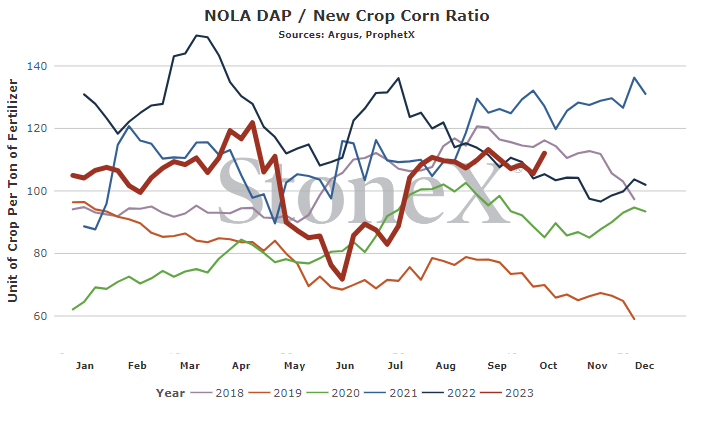
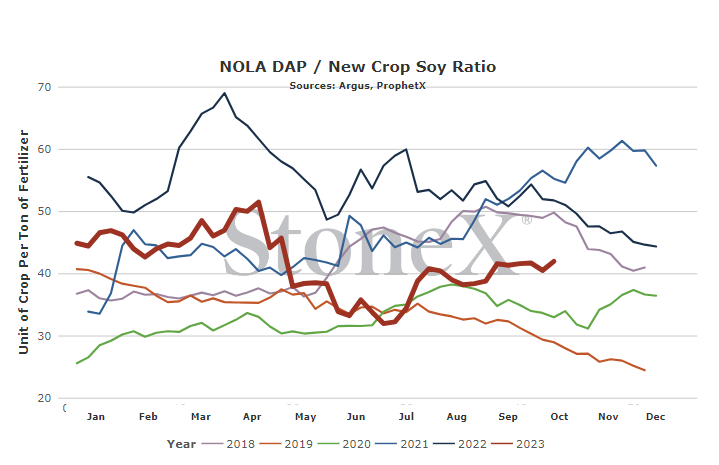
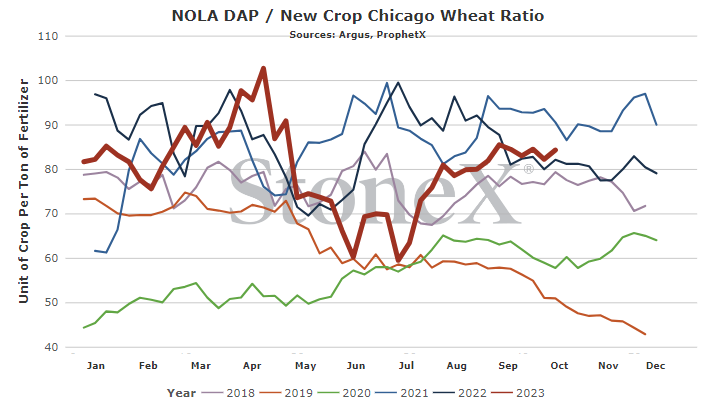
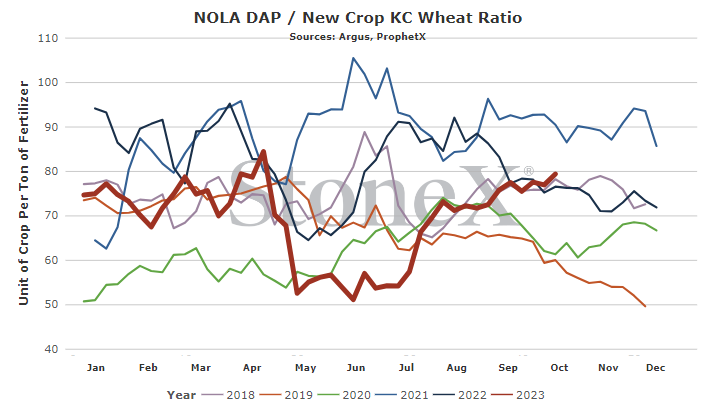
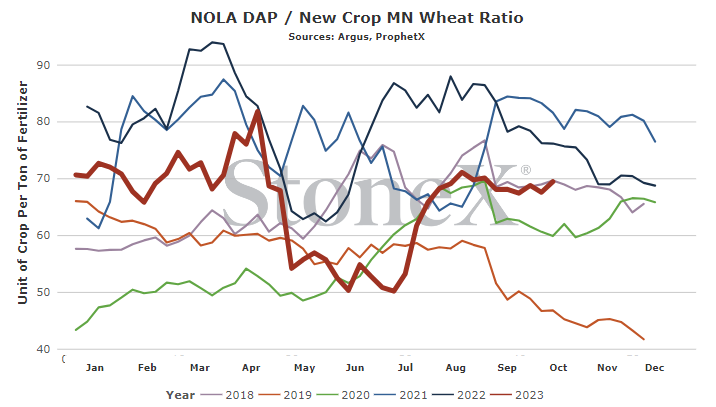
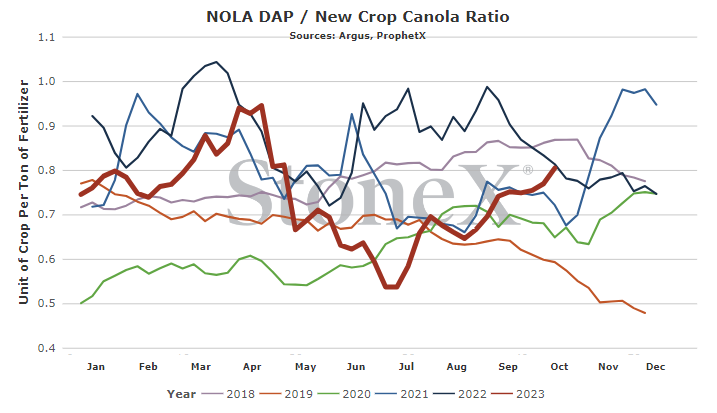
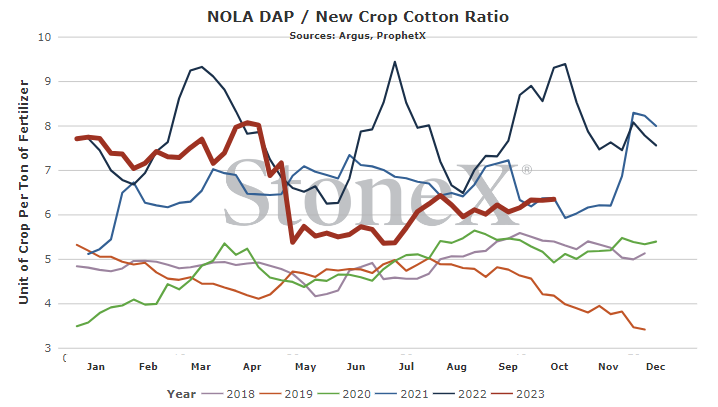
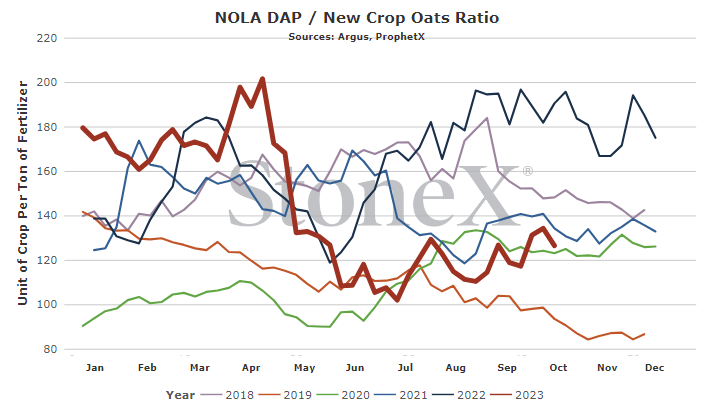
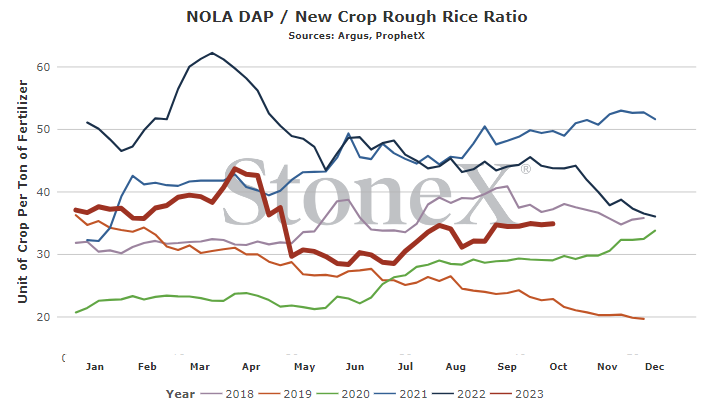
We believe that only looking at the flat price of either grains or fertilizer can be misleading:
-
Only selling grain can hurt you if fertilizer prices rise substantially
-
Only buying fertilizer can hurt you if grain prices fall
We look at the ratio "value" to get a better indication of where we are or how many bushels of X does it take to pay for 1 ton of fertilizer.
Would you rather:
-
Spend 150 bushels to pay for 1 ton of DAP
-
Spend 80 bushels to pay for 1 ton of DAP
When we compare the current ratio value against recent years, we start to see if we are high or low.
YOUR VALUES WILL LOOK DIFFERENT
This graph looks at the NOLA DAP price vs the flat grain price. There are no logistics on either product. Your location will look different due to fertilizer logistical costs, grain basis, etc.
- Chinese exports - as the typical world's largest producer and exporter of DAP/MAP, their export programs go a long way in determining price direction. Exports are better this year than last year, but are still shy of "typical" flows. As we have seen in the past, their approach can change in an instance.
- India/Brazil imports - updated import information for India shows that they have slowed their pace slightly. Is this a one month situation or are more similar months to come? Will Brazil pick up the pace and need to call on tonnage or will imports naturally flow as the U.S. continues to push away the 3 largest exporters?
- North American import/export flows and fall demand - by all accounts, we are starting the fall run much tighter on phosphate inventories than normal. Will the higher price push demand to the winter/spring period and help alleviate the fall situation? Will imports unexpectedly start arriving (unlikely)?
- U.S. duties against Morocco/Russia/China - there is a growing chorus of the industry saying that the duties imposed against Morocco/Russia/China should be dropped as one of the main arguments for the duties was the ability for North American manufacturers to meet North American demand. Most are arguing that IS NOT happening. I highly doubt anything happens short term. Most likely will be a winter/spring situation...but is something to watch as it will affect the market.
All data was sourced from StoneX unless otherwise noted.
This material should be construed as market commentary, merely observing economic, political and/or market conditions, and not intended to refer to any particular trading strategy, promotional element or quality of service provided by the FCM Division of StoneX Financial Inc. (“SFI”), StoneX Financial (Canada) Inc. (“SFFC”) or StoneX Markets LLC (“SXM”). SFI, SFFC and SXM are not responsible for any redistribution of this material by third parties, or any trading decisions taken by persons not intended to view this material. Information contained herein was obtained from sources believed to be reliable, but is not guaranteed as to its accuracy. Contact designated personnel from SFI, SFFC or SXM for specific trading advice to meet your trading preferences. These materials represent the opinions and viewpoints of the author, and do not necessarily reflect the viewpoints and trading strategies employed by SFI, SFFC or SXM. The FCM Division of StoneX Financial Inc., a subsidiary of StoneX Group Inc., is a member of the National Futures Association (“NFA”) and registered with the U.S. Commodity Futures Trading Commission (“CFTC”) as a futures commission merchant and commodity trading advisor. StoneX Financial (Canada) Inc. is currently registered as a Futures Commission Merchant or equivalent in all provinces of Canada and is a member of the Investment Industry Regulatory Organization of Canada.