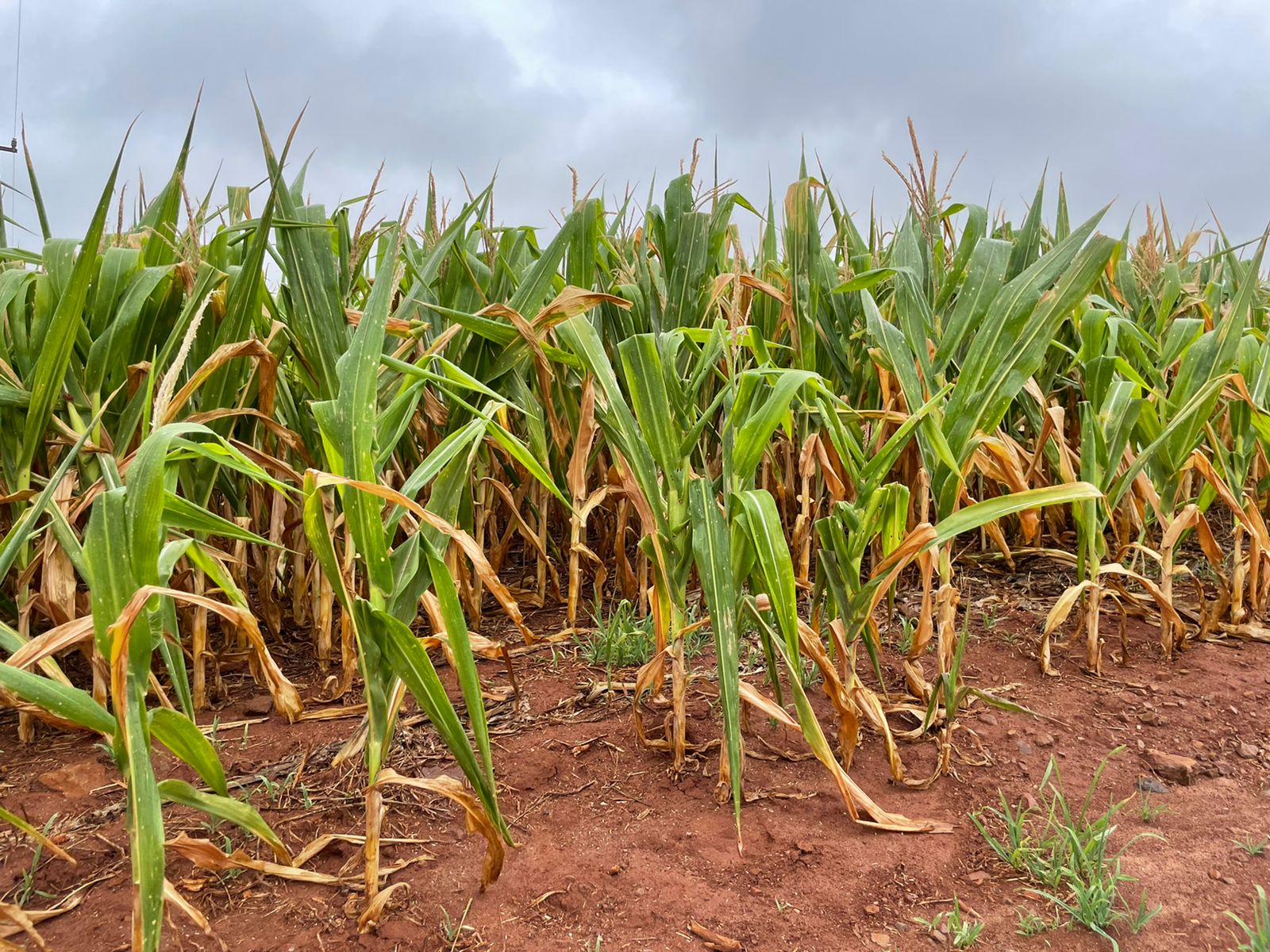
Rio Grande do Sul is among Brazil's largest summer corn and soybean-producing states. Regarding corn, the state has been in the first place, exceeding Minas Gerais' production. As for soybean, the crop from Rio Grande do Sul "competes" with Paraná for second place.
Corn
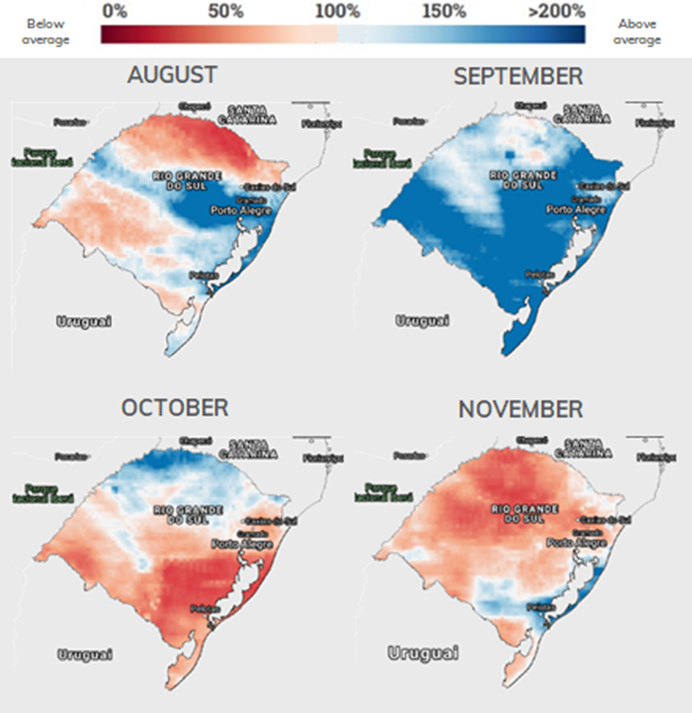
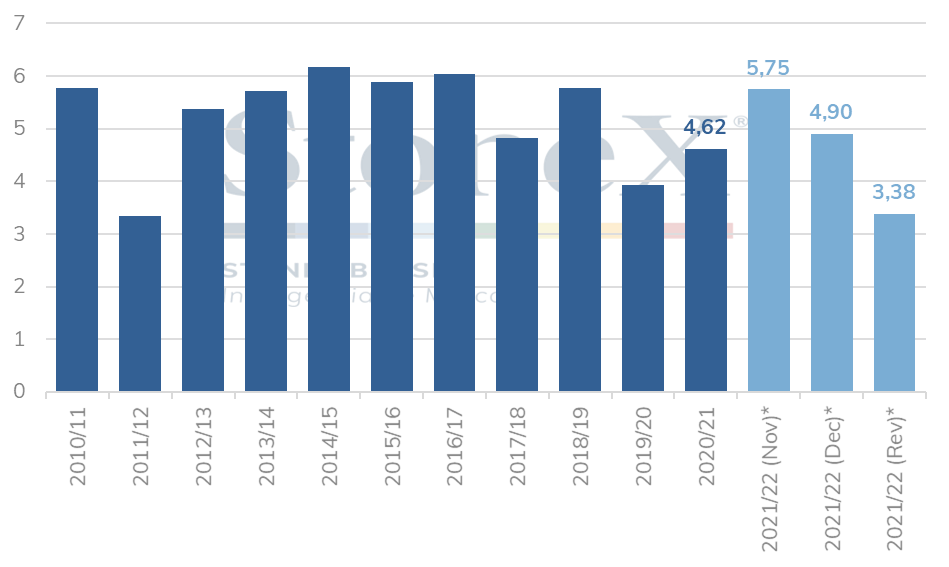
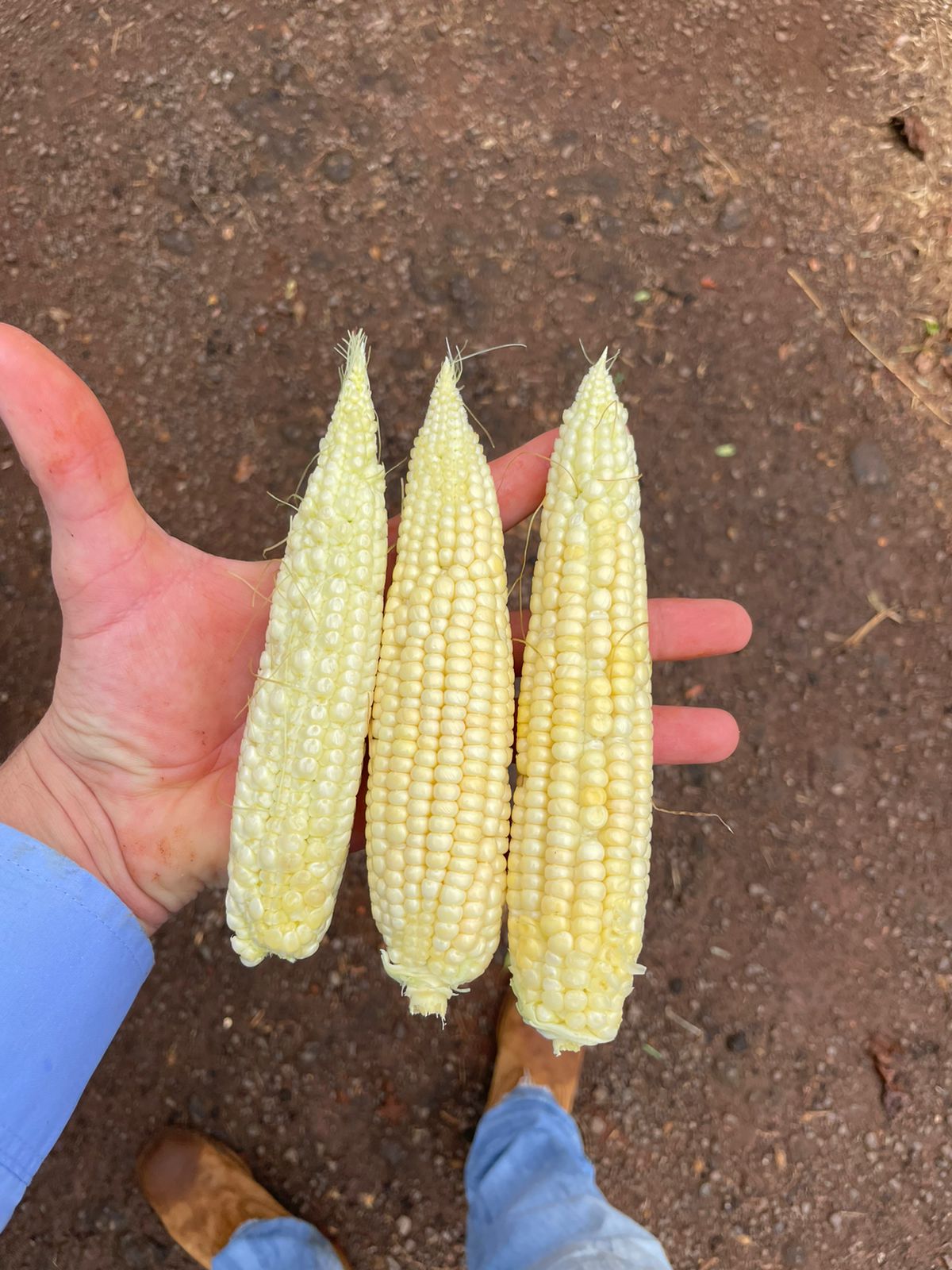
The first corn crop planting started promising in Rio Grande do Sul, with good rainfall volumes from mid-August and throughout September as a whole, allowing for a rapid advance in planting and fueling the prospects for a very favorable production in the 2021/22 cycle. In its November crop estimate report, StoneX estimated acreage at 834,000 hectares and yield at 6.9 t/ha (115 bag/ha), which would result in production at 5.75 million tonnes in the state, a volume 24.7% higher than that observed in 2020/21, when crops were penalized by irregular weather.
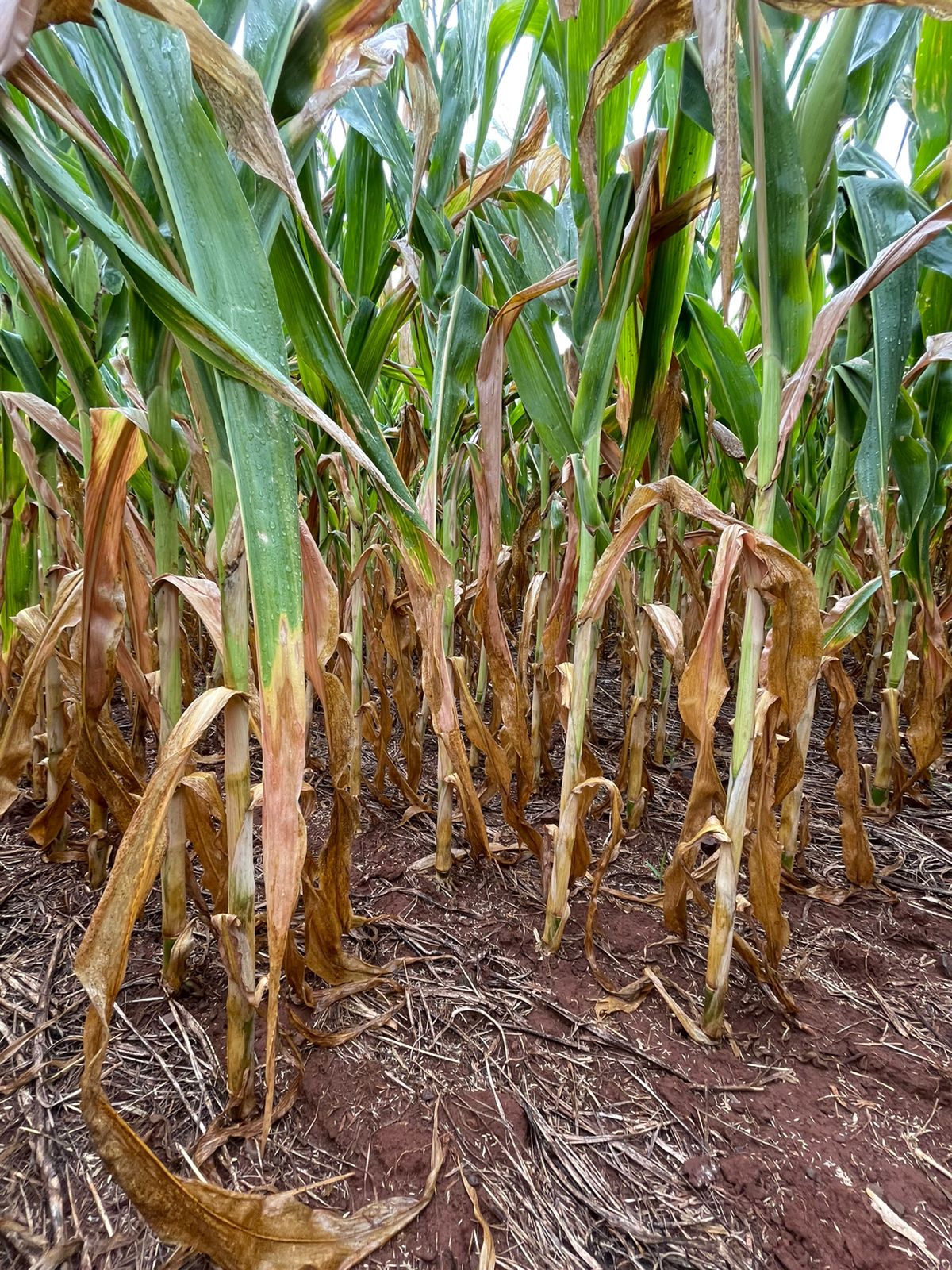
However, November ended with much lower rainfall volumes than expected in Rio Grande do Sul. This factor added to the precipitation irregularity – when a considerable part of the state's crop was at a crucial stage for determining its productive potential–significantly damaged crop development.
As a result, StoneX, in its crop estimate report released in early December, cut the yield for Rio Grande do Sul's first corn crop to 5.9 t/ha (98 bag/ha), a reduction of 14.8% compared to November, which resulted in a drop of the same intensity in the production estimate to 4.9 million tonnes.
As December began, rainfall forecasts for the state did not materialize the expected volumes, further deepening the losses for the Rio Grande do Sul's corn crop. Thus, even before the next update of the crop estimates, which will be released in early January 2022, StoneX is already promoting further adjustments for Rio Grande do Sul.
The yield estimate has been further reduced, falling to 69 bag/ha (4.14 t/ha), down 29.6% from the already lower figure in the last report and 40% below the initial outlook of 6.9 t/ha (115 bag/ha).
In addition, it has recently been observed that some producers are "knocking down" corn to switch to soybeans, which can be planted until January 31, 2022, in Rio Grande do Sul, which is the limit imposed by the government before the disinfection period. With this change from corn to soybean, the area destined for the first corn crop was reduced by 2% from the report from the beginning of December to 817.3 thousand tonnes.
Thus, production is now estimated at 3.38 million tonnes, 21% less than the December report and more than 40% below initial expectations.
It is worth mentioning that for regions where the crop development is later, such as Vacaria and Lagoa Vermelha, the crop still needs rainfall to realize its productive potential. Thus, the crop is still subject to new reductions in production and productivity if rainfall disappoints.
Evolution of summer corn production in Rio Grande do Sul (million tonnes)
Source: Conab & StoneX. Design: StoneX.
Soybean
Regarding soybean, there are differences from corn as for the cycle period in Rio Grande do Sul, with planting starting later, in the second half of October. With this, the oilseed is not yet in the most critical stages of development, not being strongly affected by the weather and rainfall below expectations.
Anyway, Rio Grande do Sul's crop is already being affected. Therefore, the approximately 16.7 thousand hectares of decrease in the corn area should be destined to the oilseed cultivation, resulting in a slight adjustment in the total planted area to 6.4 million hectares.
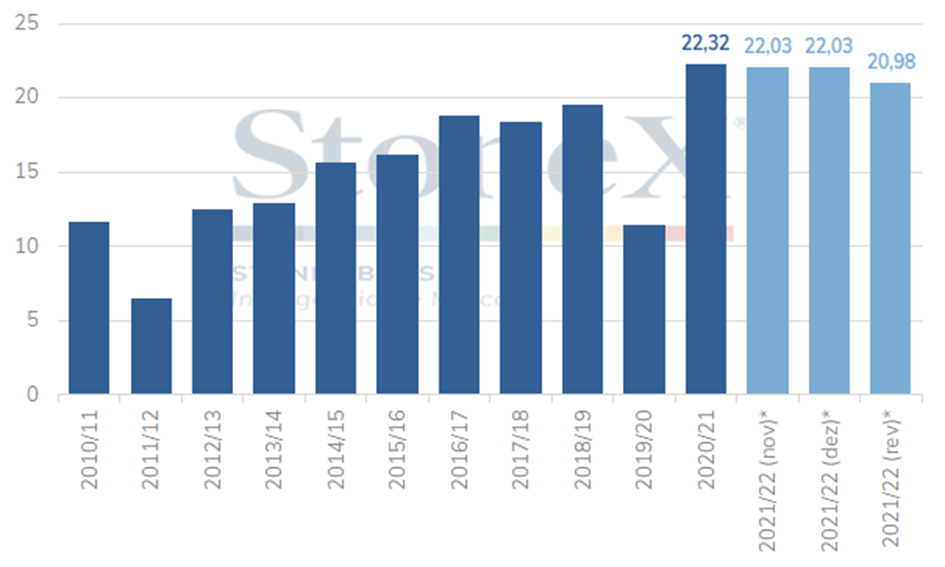
On the other hand, due to adverse weather in the state, it is already estimated that there will be a 5% reduction in the productive potential of soybean crops, which at this point represents a production below 21 million tonnes.
Evolution of soybean production in Rio Grande do Sul (million tonnes)
Source: Conab & StoneX. Design: StoneX.
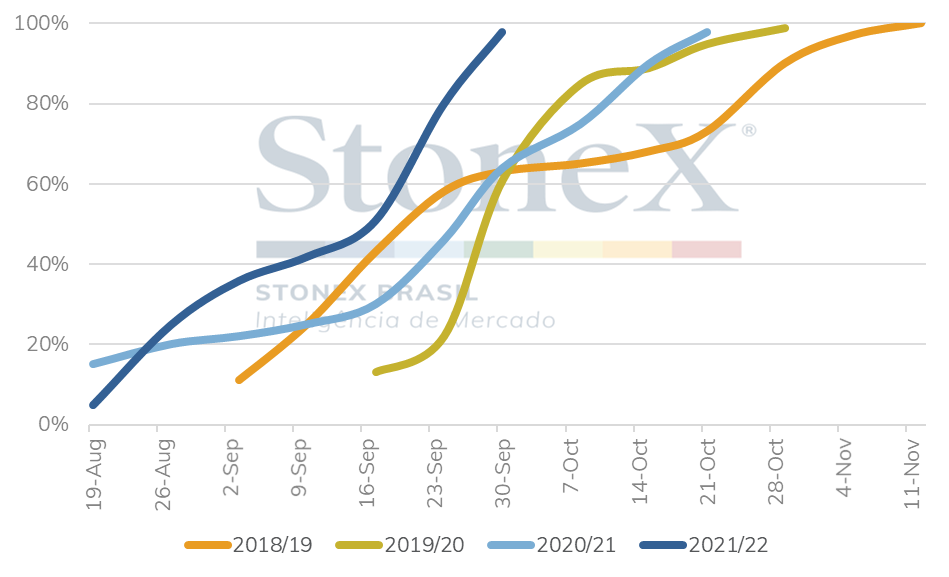
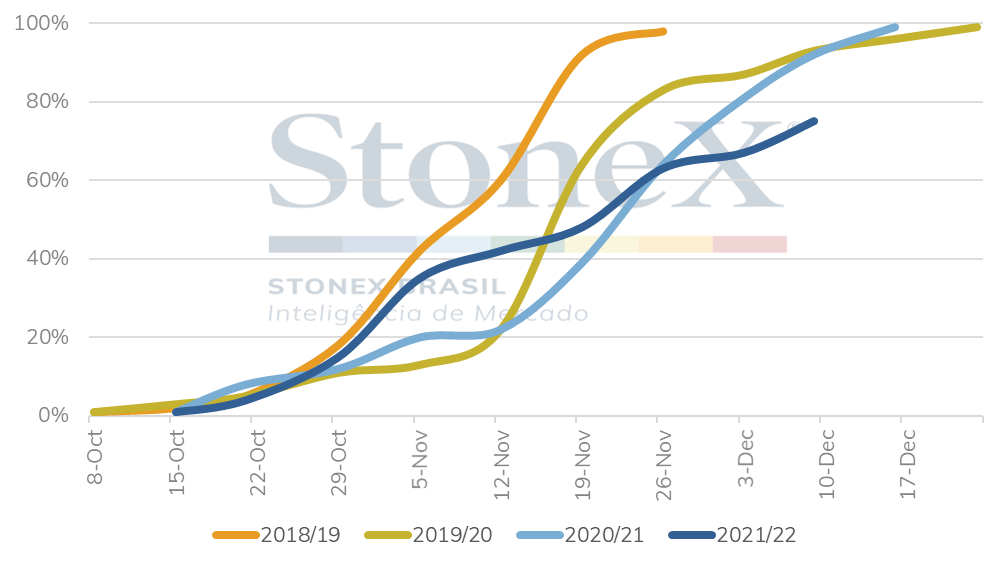
Another consequence of the dry weather for Rio Grande do Sul's soybean crop has been the delays in the field work, with the planting progress being later than last year.
It is worth noting that in the coming weeks, in January and also in February, the weather will continue to be central to soybean production in the state.
Evolution of soybean planting in Rio Grande do Sul
Source: StoneX. Design: StoneX.
In its next monthly follow-ups, StoneX will again review its figures for the grain crops in Rio Grande do Sul, and Brazil as a whole, bringing a more consolidated perspective to the expected losses.
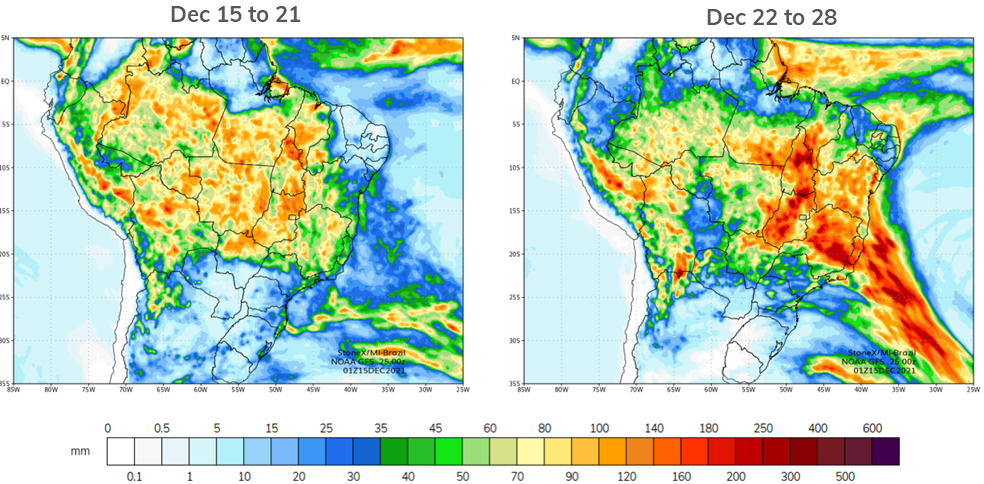
Forecasts for the next two weeks indicate that rainfall should be lighter in the South of Brazil, especially in Rio Grande do Sul. As mentioned above, if these forecasts are confirmed, the state's losses should be worse.
Precipitation forecast (mm)