Europe and the euro continue to gain momentum
Impact on USDBRL: bullish
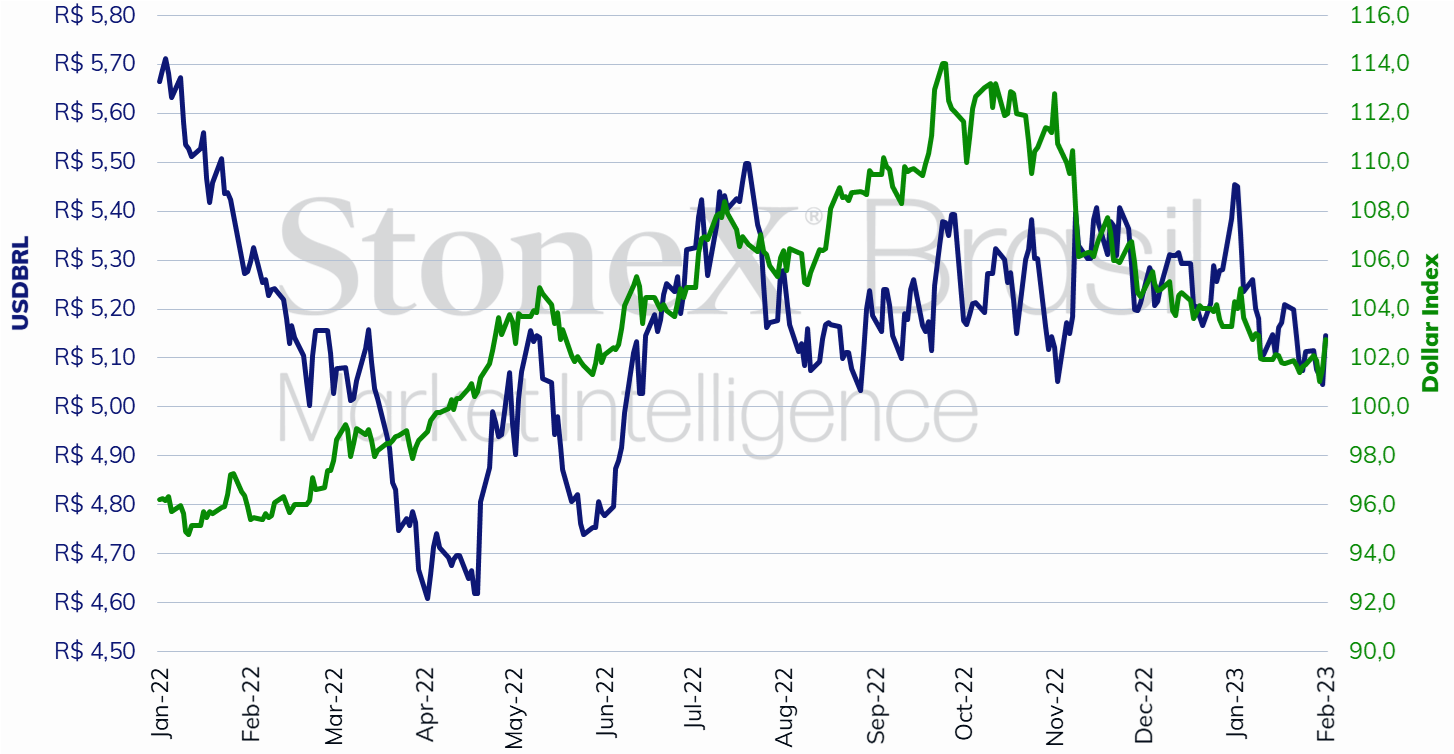
It is also worth noting the change in outlook for the European economic scenario compared to last year's last quarter, propelling the euro to ten-month highs against the dollar. First of all, energy input costs have decreased significantly after a mild winter, which allowed reduced consumption, recovering the trade balance of the European bloc. In addition, the outbreak of the war between Russia and Ukraine has led the countries of the continent to increase their fiscal expenditures, particularly to soften the momentary effects of high energy costs. In addition, the inflow of foreign capital increased after the prospects of European Economic Improvement and the narrowing of the interest differential between Europe and the United States. Finally, the process of economic reopening in China has expanded the European bloc's export projections, making it an even more attractive destination for investments.
Economic criticism of Lula
Impact on USDBRL: bullish
Market players will also be attentive to possible statements and comments from Brazilian authorities on issues on the economic agenda, especially from President Luis Inácio Lula da Silva. After approving the budget for 2023 through a constitutional amendment and the appointment of the ministerial team, the economic team has been striving to keep the public debate focused on two topics: the definition of new fiscal rules with the Legislature and possible tax reform. President Lula, meanwhile, has been prodigal in diverting attention to a variety of topics, such as the minimum wage (which had already been defined but was not adopted), income tax brackets, a common currency proposal with Argentina, the participation of the BNDES in foreign financing, current inflation targets, the level of the basic interest rate (Selic), the independence of the Central Bank and the need to pursue fiscal stability. Lula's criticisms of monetary policy and the central bank's independence have caused uncertainty among investors about the institution's ability to pursue long-term price stability. In addition, the president's constant change of economic agendas causes exacerbated volatility in Brazilian assets, increasing market agents' fears that monetary and fiscal policies are determined by political rather than technical criteria and broadening investors' perception of risk.
Minutes of the Copom decision and IPCA
Impact on USDBRL: bearish
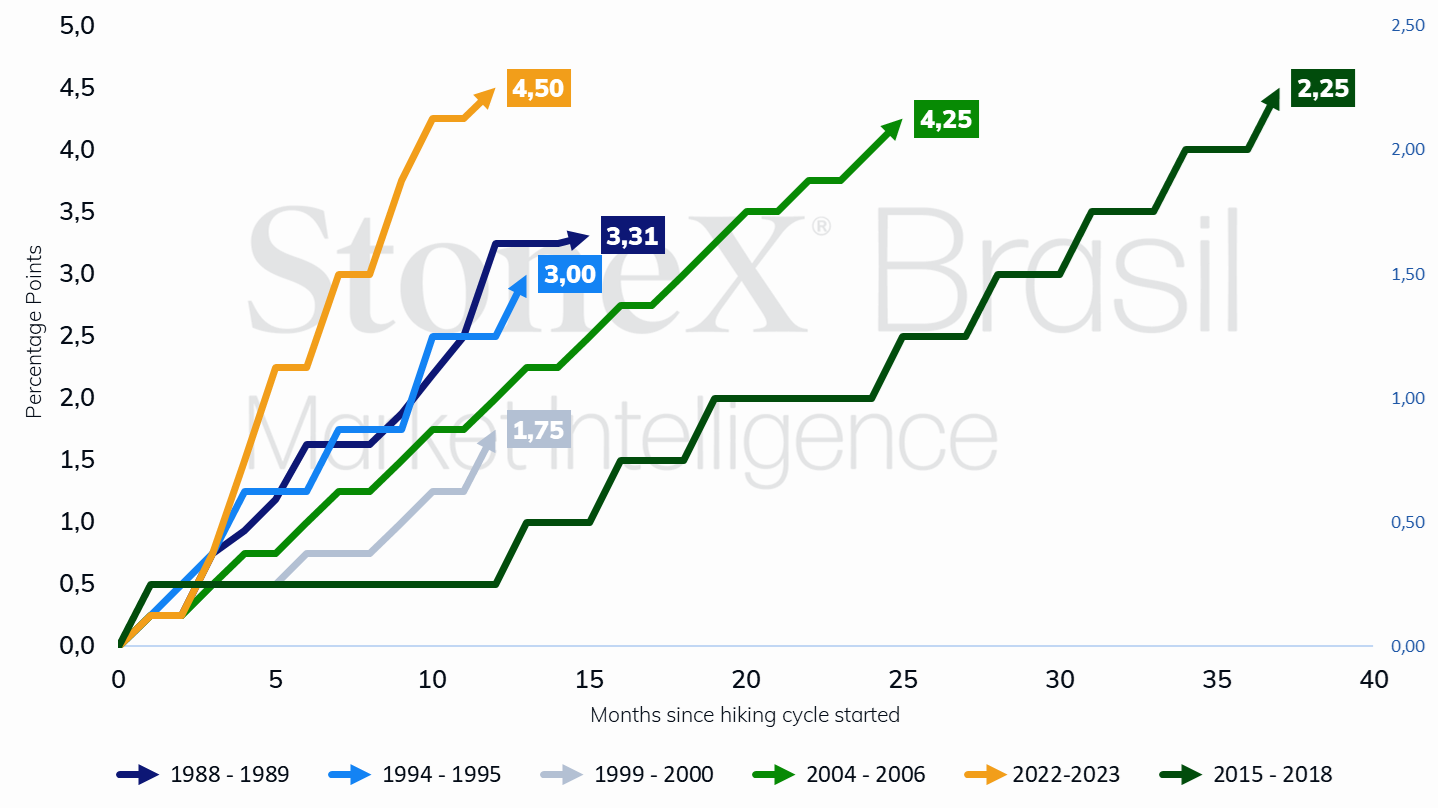
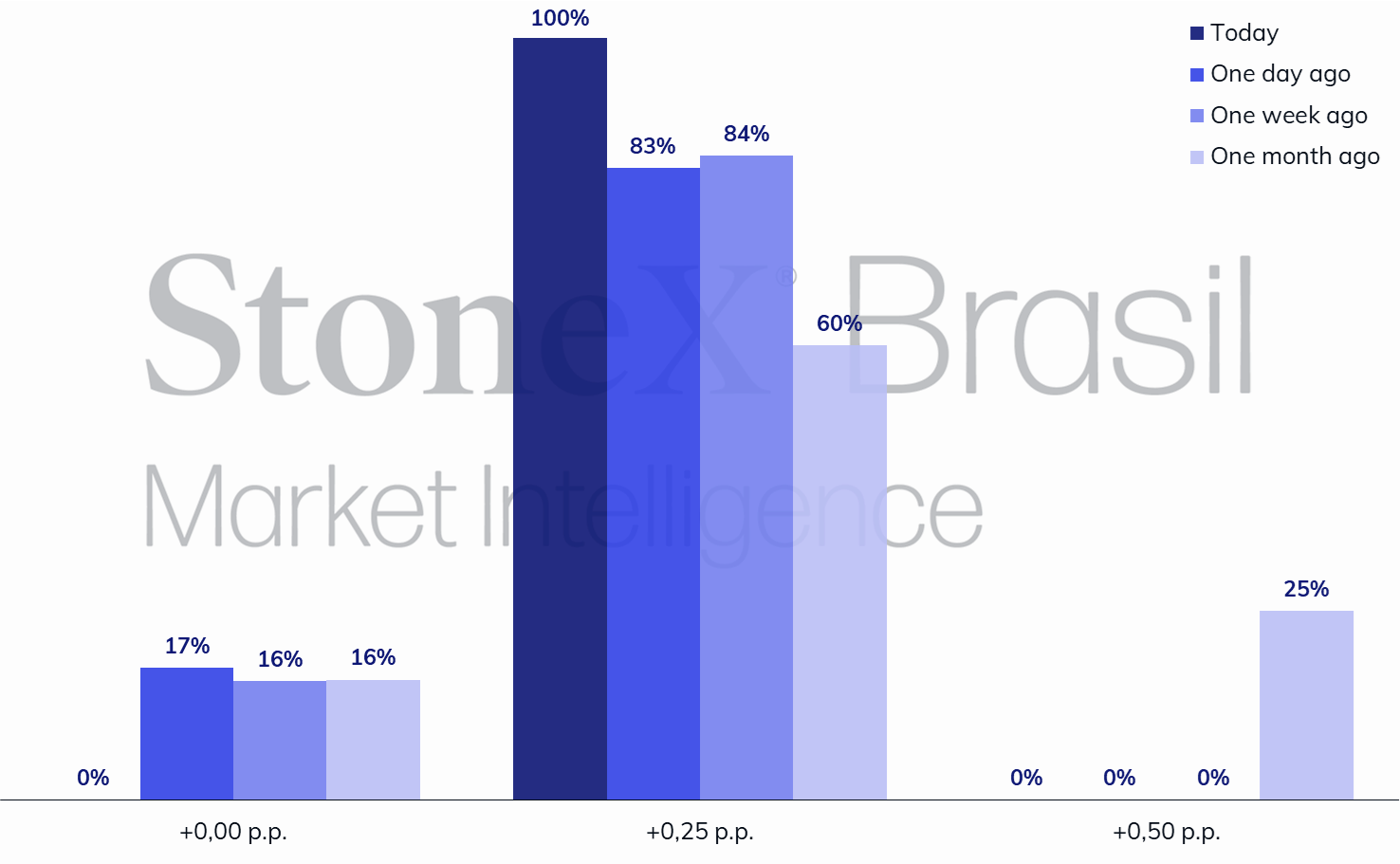
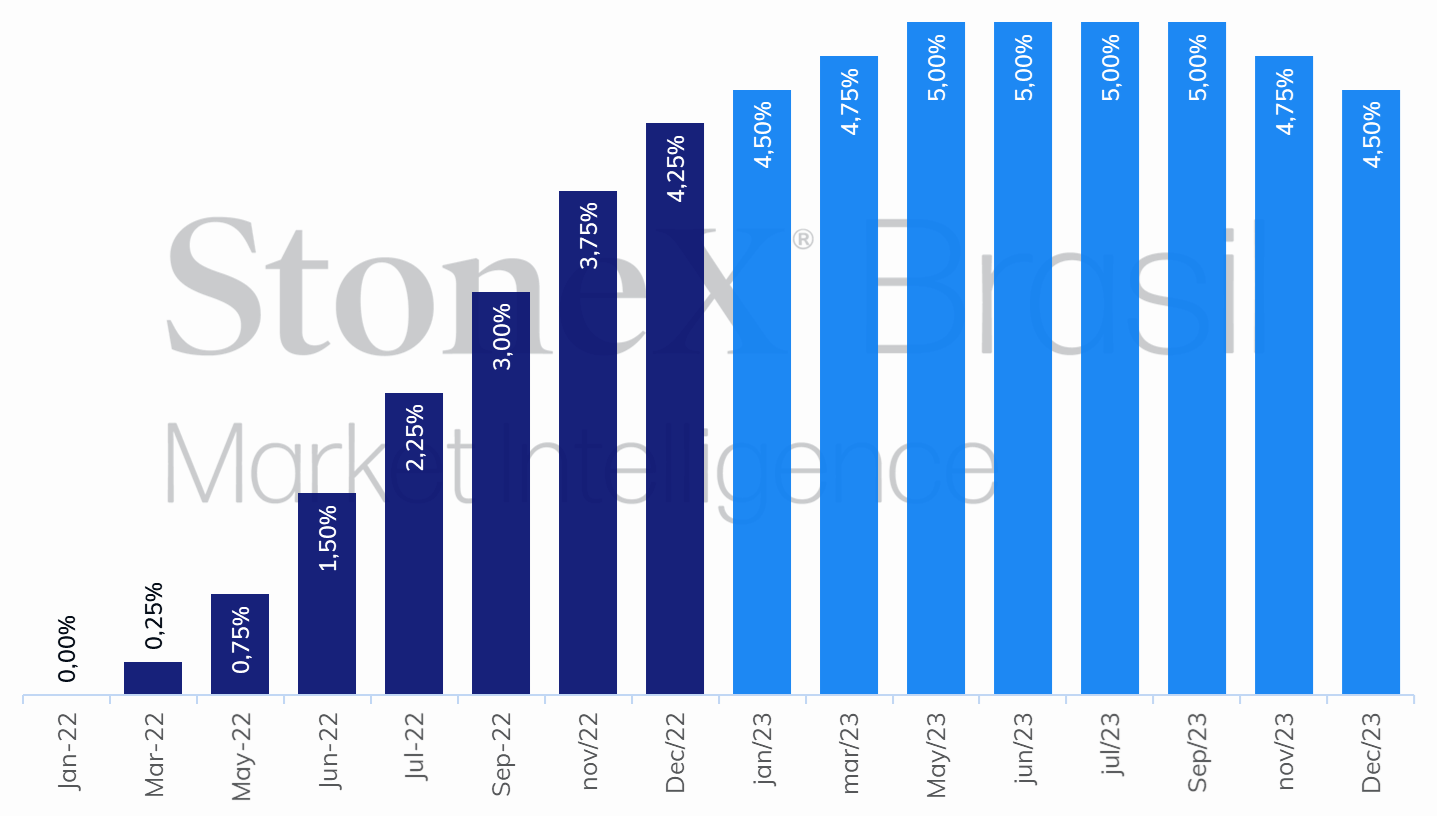
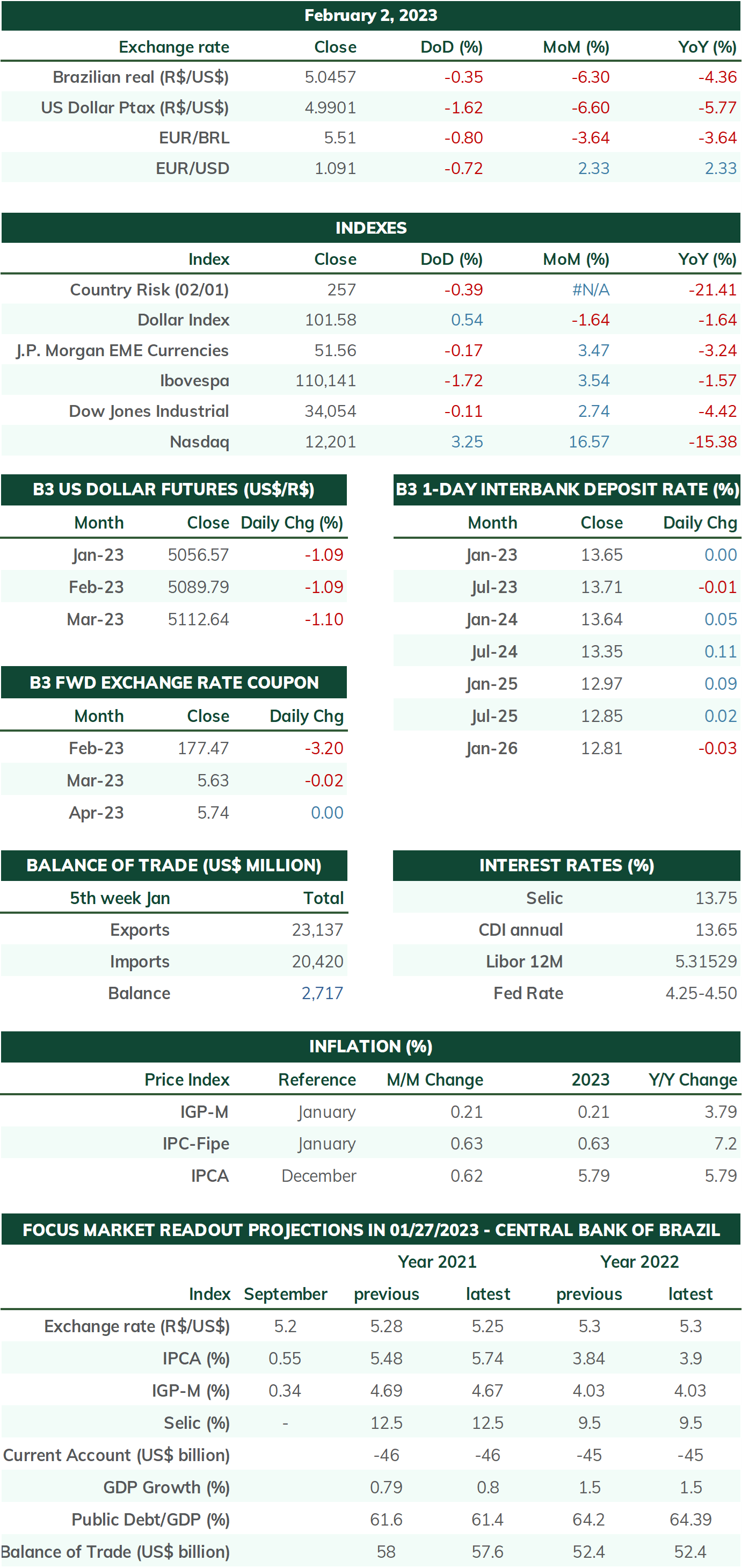
Finally, it is worth noting the release of the minutes of the Monetary Policy Committee (Copom), which should bring some additional information regarding the decision to postpone the cuts to the basic interest rate (Selic) to ensure the disinflation process in the country and to intensify its warnings about the inflationary impacts of fiscal risks caused by uncertainties regarding the fiscal policy of the new government. In addition, analysts are waiting for the first Focus Bulletin after the committee's decision, and the release of the January National Broad Consumer Price Index (IPCA), whose average expectations point to a growth of 0.55% in the month and 5.7% in the year.